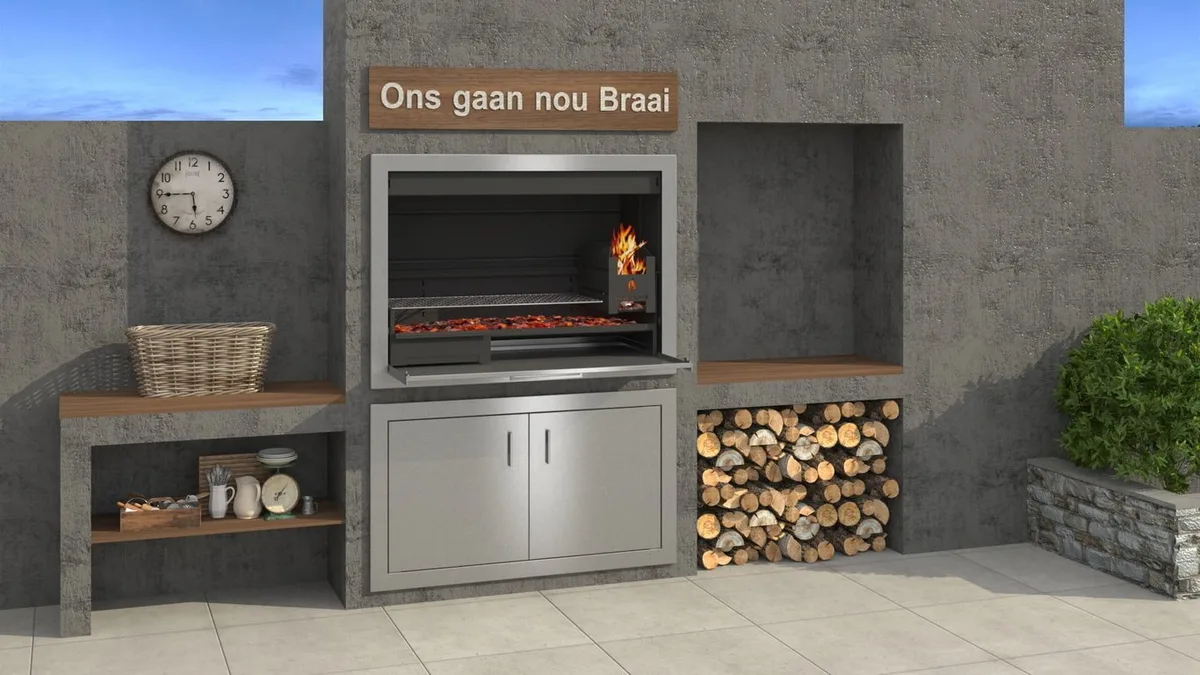
Built-in Braais
A buyer’s guide to built-in braais, from material choice and sizing to feature levels and fuel options.
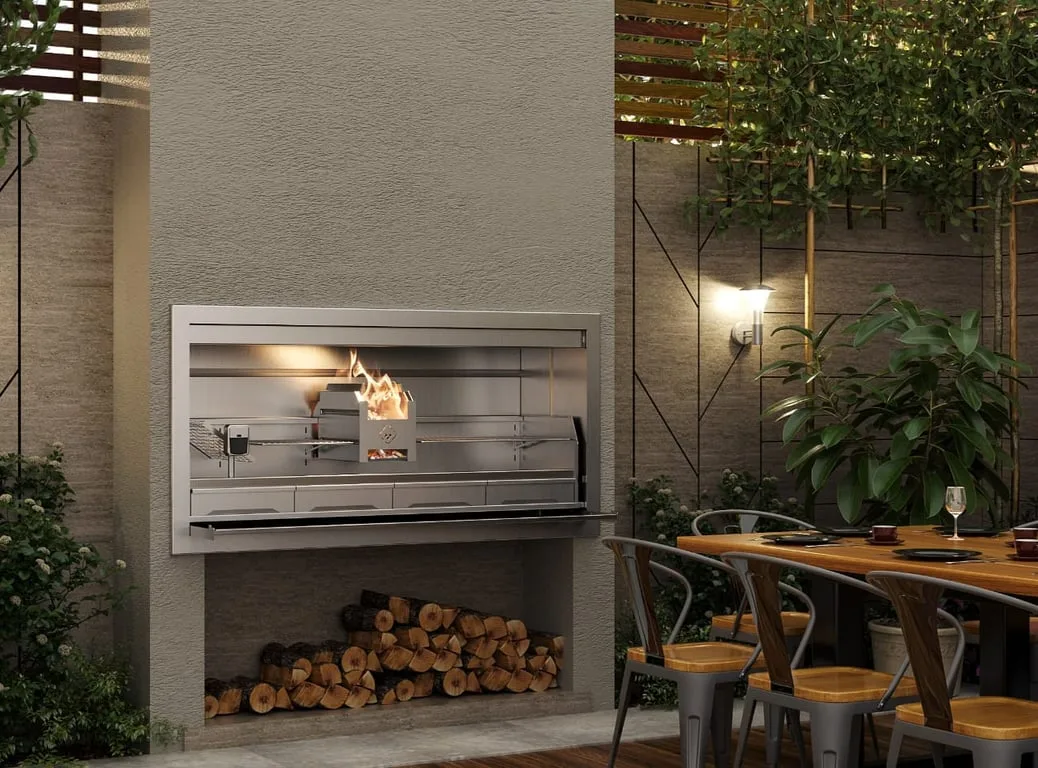
Start with the way you braai
A built-in braai is chosen around the entertainment area first: how often you cook, how many people you usually host, and whether you want a simple wood braai or a more complete feature with doors, lighting, ember makers, and gas options. Once the cooking style is clear, size and material become much easier to compare.
- Cooking style
- Match the braai to everyday use and guests.
- Material choice
- Compare steel, stainless steel, and finish.
- Built-in detail
- Plan doors, canopy, airflow, and fuel options.
Choose for how you braai.
Four product choices plus one installation check.
A built-in braai should match the way you entertain, the coastal conditions around the home, and the level of cooking control you expect.
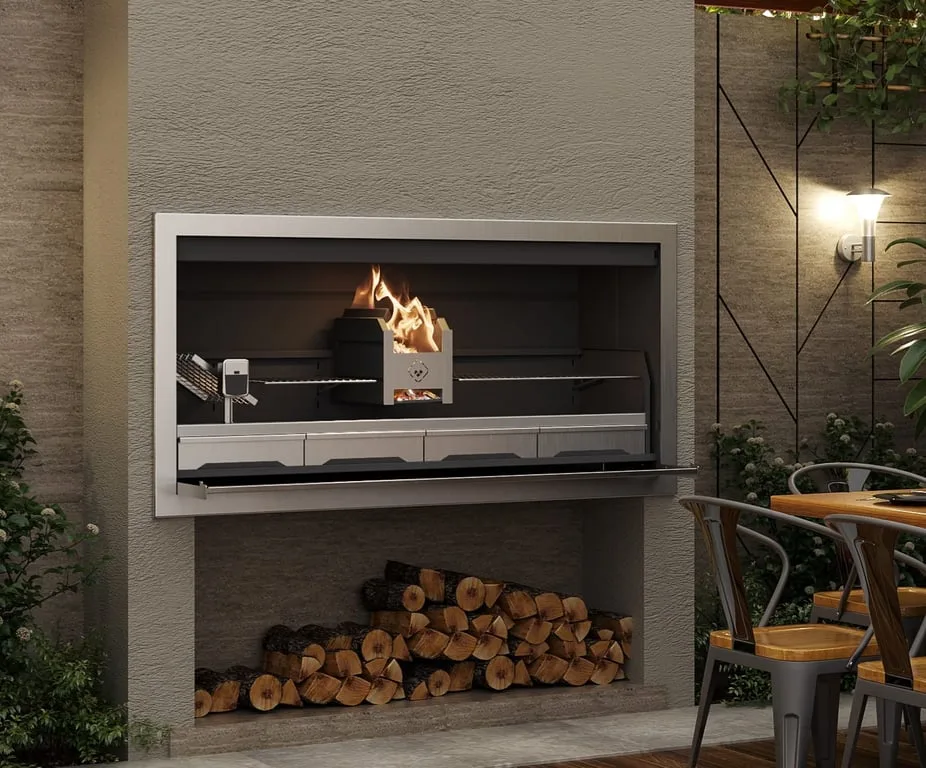
Material
Start with corrosion and exposure
Stainless steel is normally the safer choice for coastal, exposed, or high-use braai areas. Mild steel can still work in protected spaces when care expectations are clear.
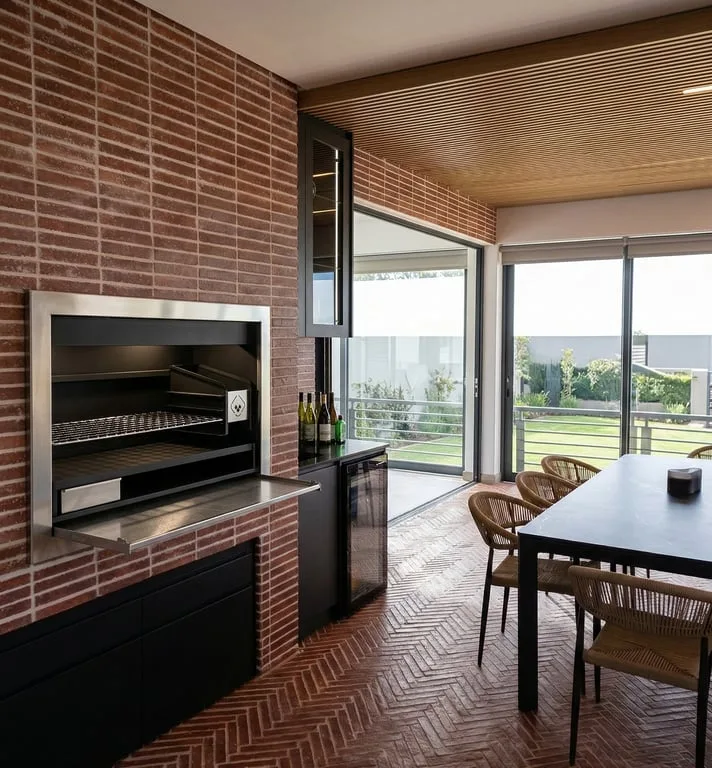
Size
Match the way you entertain
A wider unit helps when you often cook for a crowd. For everyday family use, a smaller braai is faster to light and easier to manage.
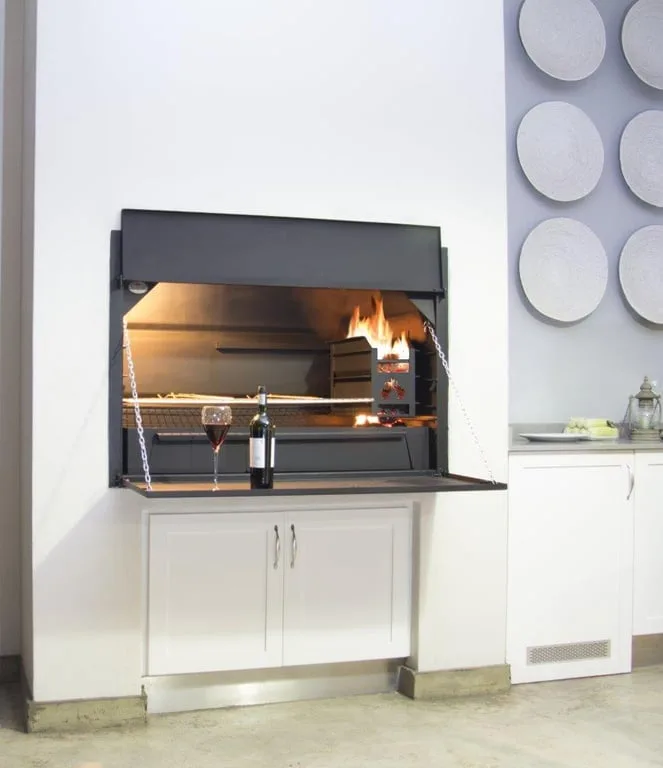
Features
Buy useful extras
Doors, ash handling, ember makers, warming drawers, and potjie arms matter most when they improve your normal cooking rhythm.
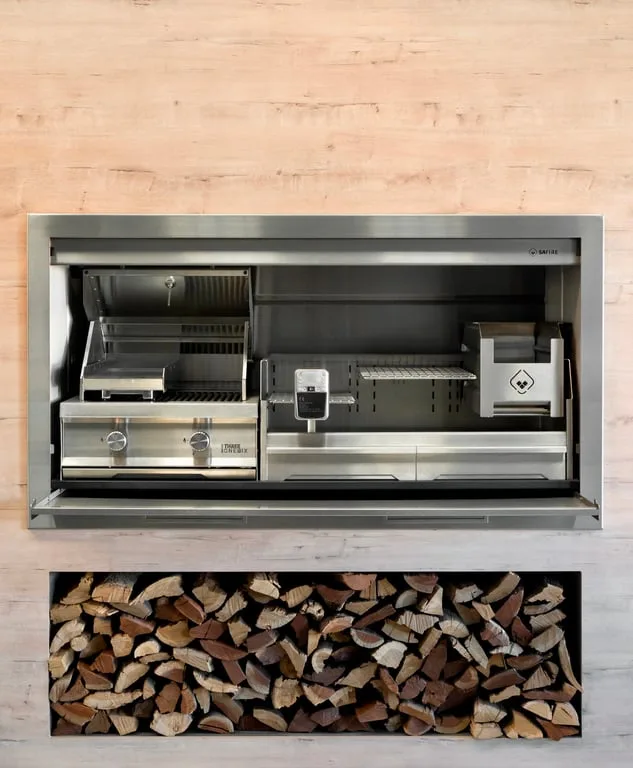
Fuel
Wood, gas, or combo
Fuel choice changes start-up time, cleaning, heat control, and extraction. Decide that before choosing the opening and product size.
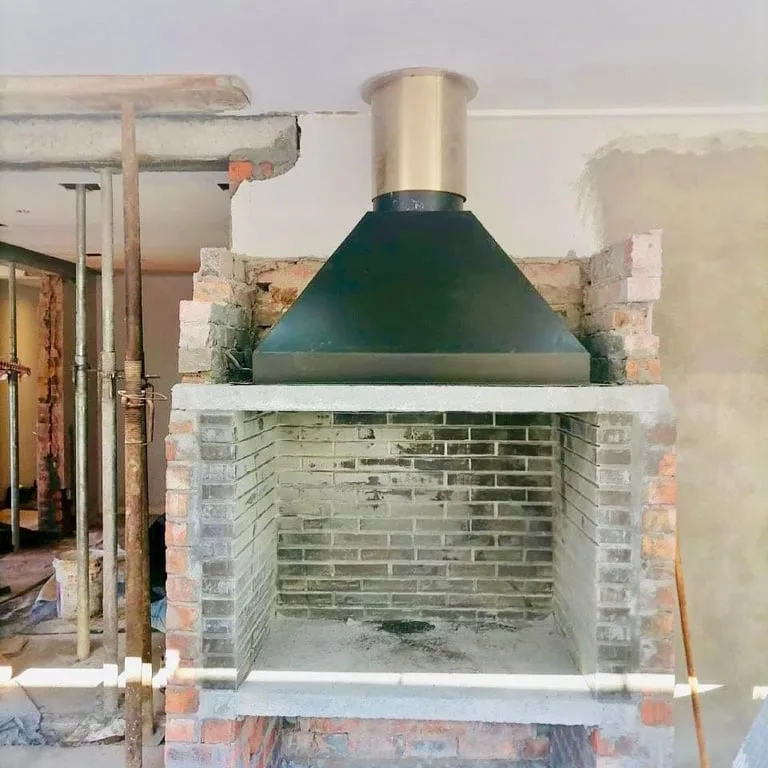
Opening
Plan the wall, canopy, and chimney
The braai is only one part of the installation. The opening, extraction path, and surrounding finish should suit the selected unit.
Choose the material and size around real use.
Choose the body and cooking width around exposure, maintenance, entertaining habits, and the opening you can build properly.
Material choice
Material choice affects durability, corrosion resistance, and long-term appearance. Stainless steel is usually the better choice in coastal or exposed areas.
Mild steel can work well in protected spaces, but it needs the right expectations around care and lifespan.
When comparing prices, check the material grade and finish rather than assuming all built-in braais are equivalent.
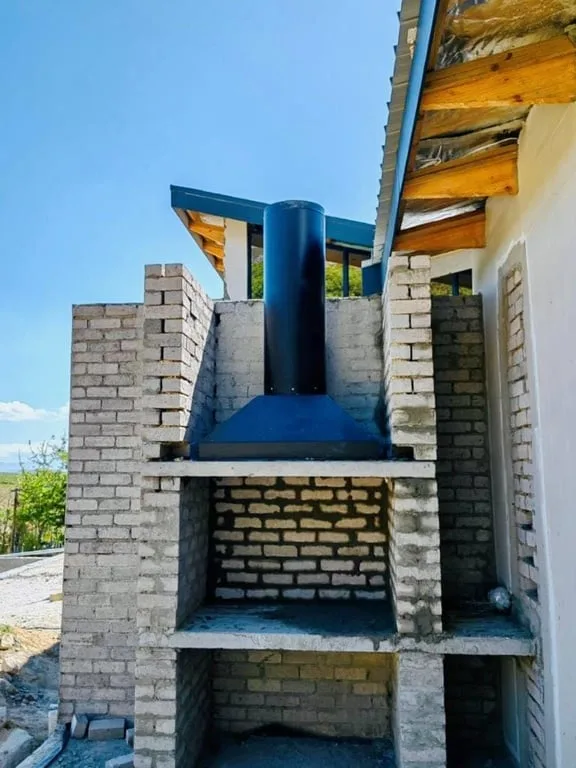
Braai size
Choose the braai size around real entertaining habits. A small family braai and a regular large-group braai need different cooking width and ember space.
Larger braais give more flexibility, but they also need more fuel and a suitable opening, canopy, and chimney design.
The right size is the one you can use comfortably, not simply the largest unit that fits the wall.
Everyday cooking
Compact sizes are easier to light and manage for smaller groups.
Entertaining
Wider braais make it easier to cook multiple foods at once.
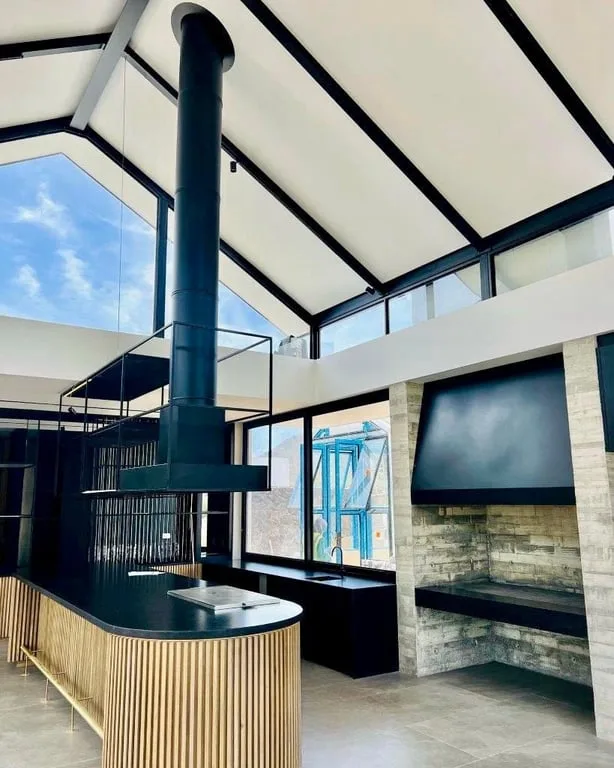
Deluxe, super deluxe, and useful extras
Feature level
Feature levels normally affect doors, ash handling, potjie arms, ember makers, warming drawers, and the overall cooking setup.
Choose extras that match how you cook. A feature that looks impressive in a showroom is only worthwhile if it improves the way you use the braai.
When budget allows, better doors and ash management can make the braai easier to live with over time.
- Doors and finish
- Useful when the braai is part of a finished entertainment room and should close neatly between uses.
- Ash management
- A better ash system makes wood cooking easier to clean, especially when the braai is used often.
- Ember maker
- Helps create a steady coal bed while keeping the main cooking area more controllable.
- Potjie and warming space
- Worth choosing when your cooking style includes side dishes, longer sessions, or staggered serving.
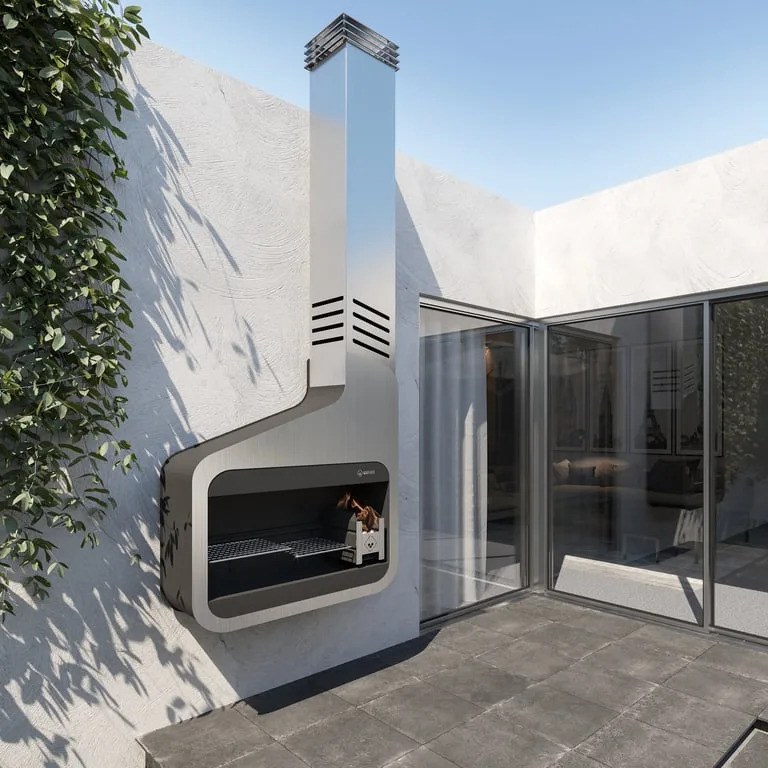
Fuel format
Choose the fuel format that matches how often you cook, how much control you want, and how the braai will extract.
Built-in braai ranges
Wood built-in braais
For traditional fire cooking, strong grilling heat, and a more involved braai ritual.
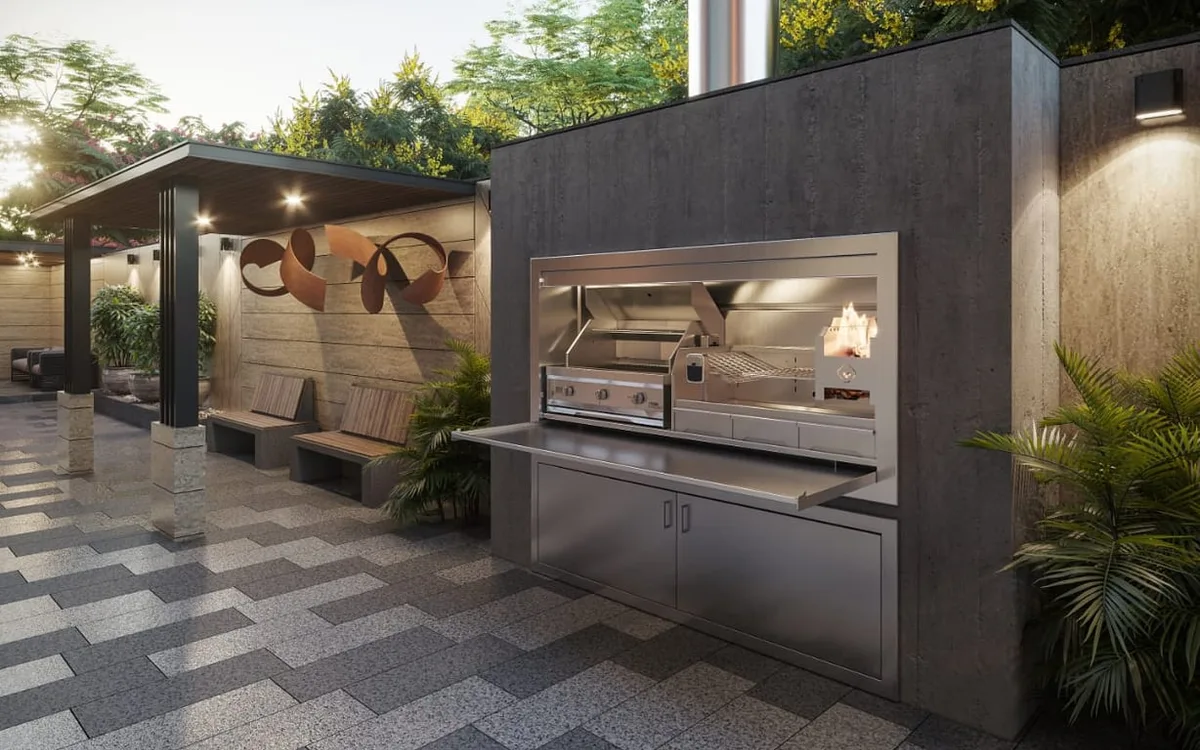
Combination built-in braais
For homes that want wood-fire flexibility with a broader cooking setup.
Deluxe wood braais
For buyers who want practical doors, ash handling, and a tidier finished opening.
Built-in braai questions
- Is stainless steel always better for a built-in braai?
Not always, but it is usually the safer choice where the braai is exposed, near coastal air, or expected to stay clean-looking for longer. Mild steel can suit protected installations when the buyer accepts the maintenance trade-off.
- Should I buy the biggest braai that fits?
No. Buy around real use. A very wide braai is useful for regular entertaining, but it takes more fuel and needs the opening, canopy, and chimney route to be planned properly.
- What is the practical difference between deluxe and super deluxe?
The original guide points to feature packages rather than a single universal rule. Compare doors, ash handling, potjie arms, ember makers, warming drawers, and how those extras affect daily use.
- When does a combination braai make sense?
Choose combination only when you will genuinely use both cooking modes. It adds flexibility, but the unit, extraction, cleaning, and budget all need to support the extra capability.
Need help choosing?
Compare built-in braais by the choices that matter.
Start with the space, the cooking style, and the installation requirements. Then compare materials, size, features, and fuel format with a clearer shortlist.