Gas Fireplaces
A practical guide to choosing a gas fireplace with the right flame style, heat output, fuel use, approval status, and installation approach.
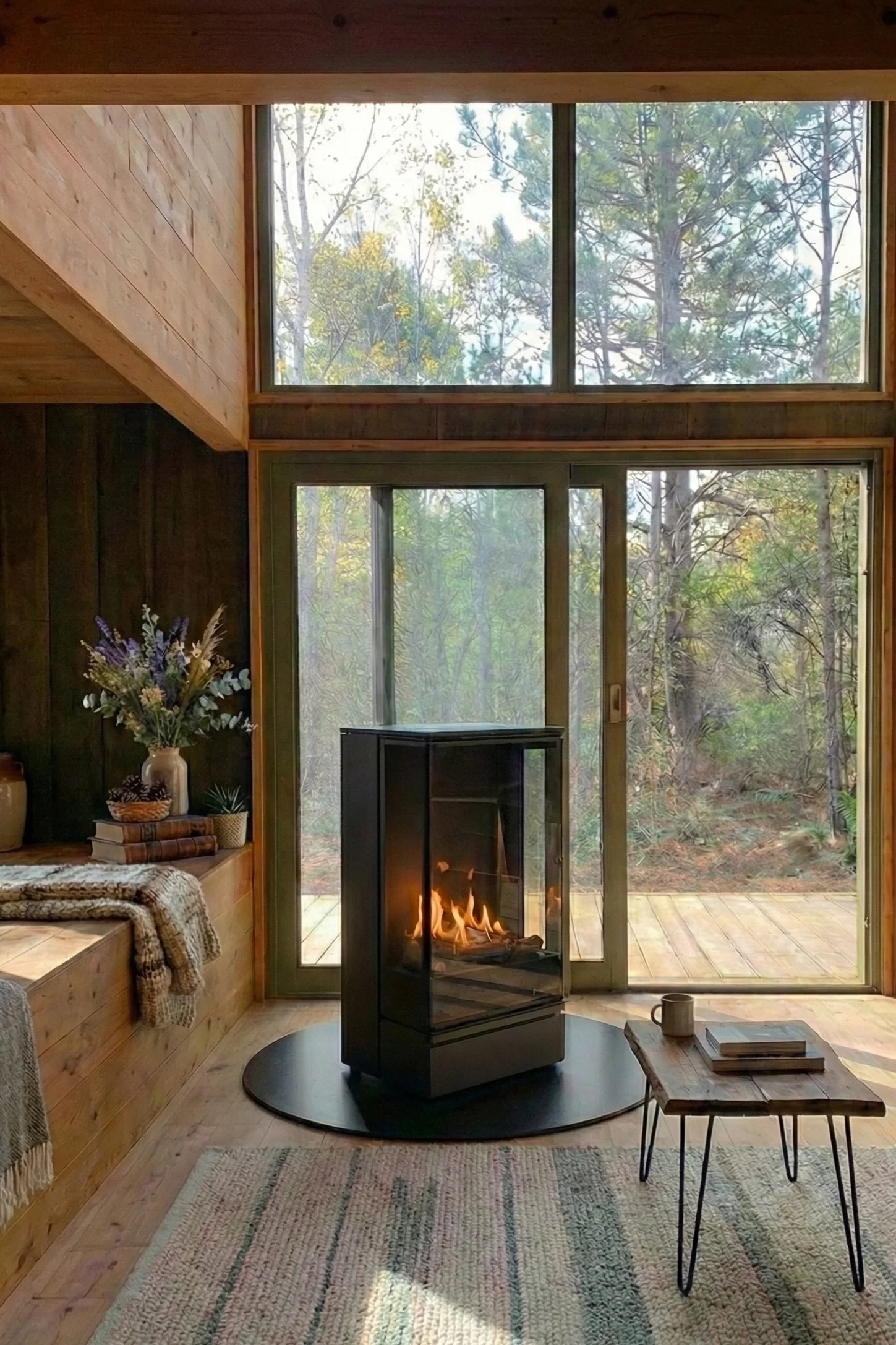
First check whether gas suits the room
A gas fireplace is chosen around the space first: how much heat the room needs, where the gas will come from, and whether the appliance can be installed and ventilated correctly. Once those are clear, the flame style is much easier to choose.
- Heat need
- Match output to the room volume.
- Gas supply
- Plan bottle storage and refill access.
- Install route
- Confirm approval, air, and flue path.
Plan before product choice
Gas fireplace decisions need context.
A gas fireplace is convenient once installed, but the appliance, LPG supply, room output, approval, ventilation, and flue route need to work together.
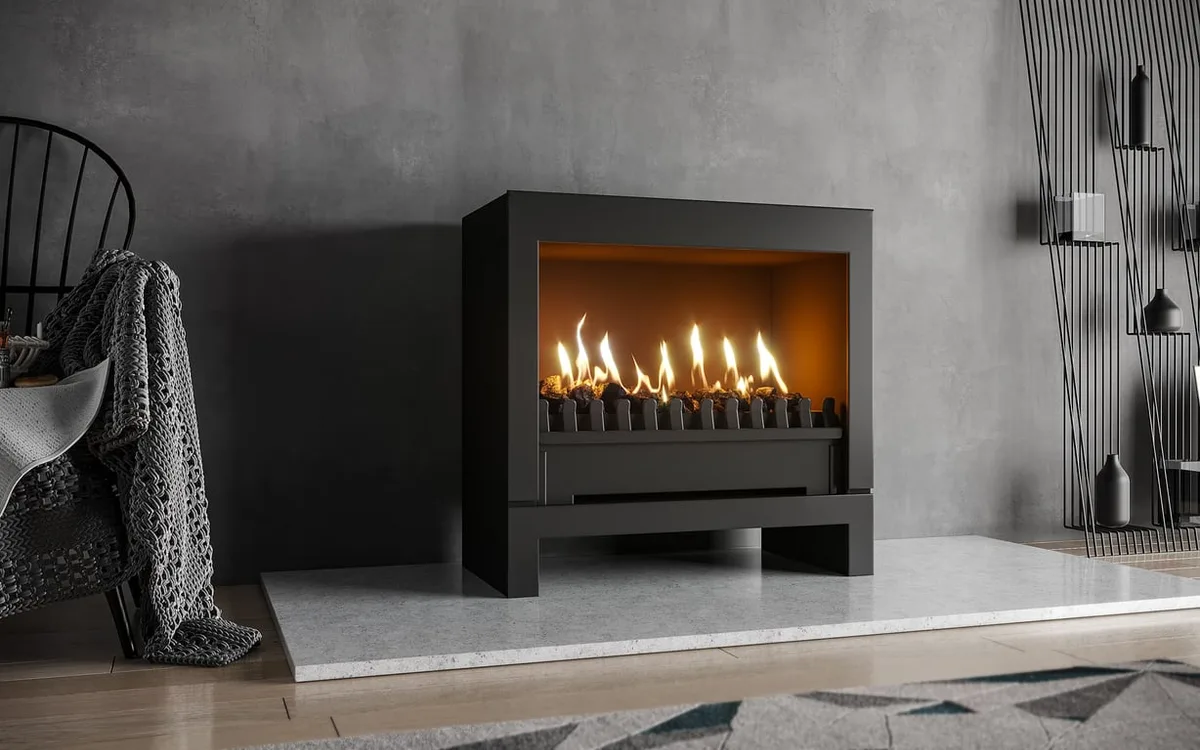
LPG supply
Plan gas bottles before model choice
Higher output fireplaces use LPG faster, so bottle storage, refill rhythm, and gas line position should be checked early.
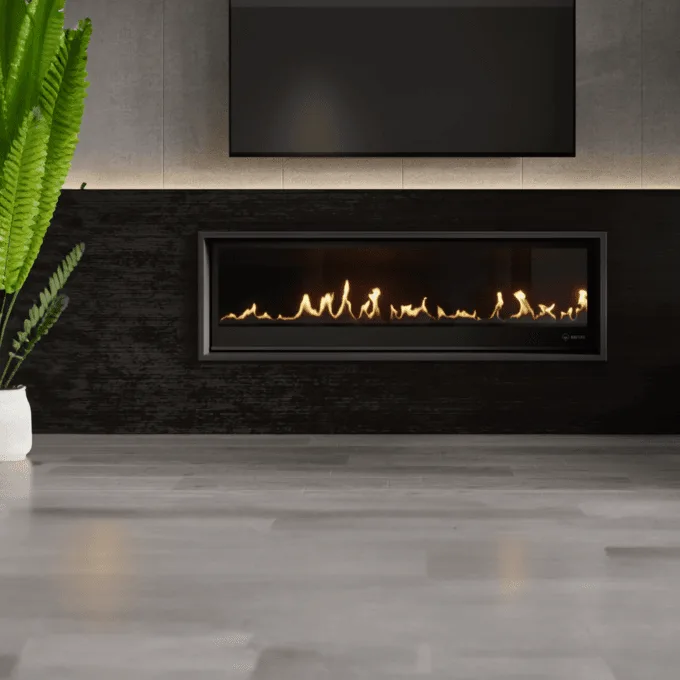
Output
Match heat to room volume
A gas fireplace still needs enough kW output for the space, especially in open-plan rooms.
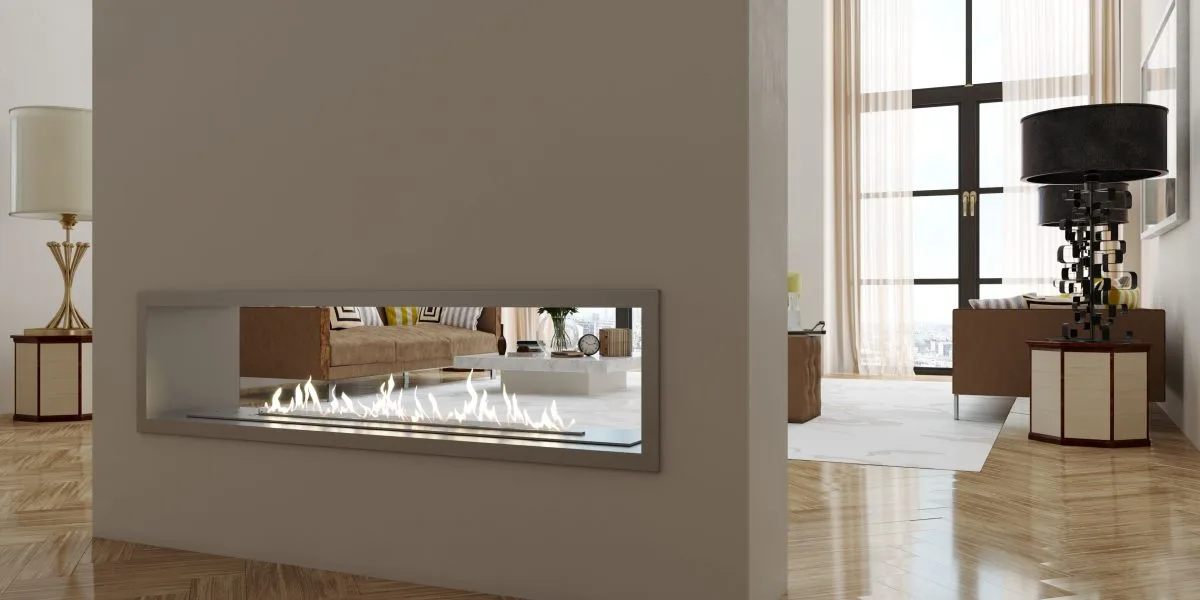
Approval
Confirm local compliance
Approval, ventilation, and installer certification affect whether the appliance is suitable for the room.
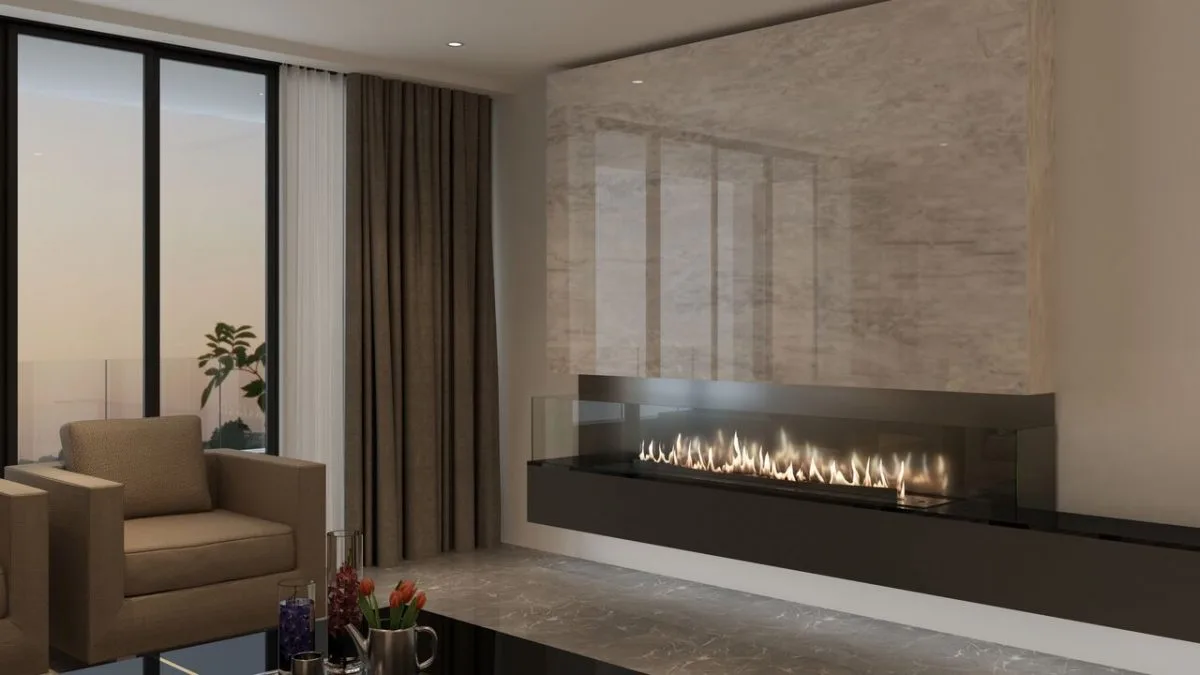
Flue route
Choose balanced flue or flueless
Balanced flue handles combustion through a sealed route. Flueless models are simpler to place, but room size and ventilation matter.
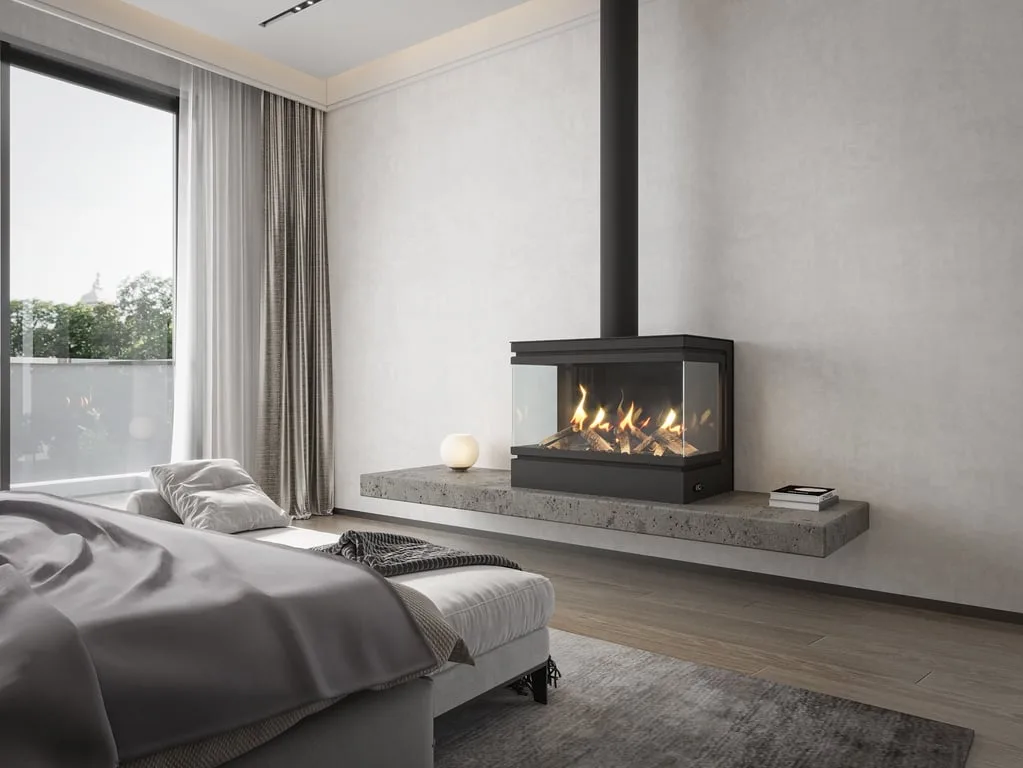
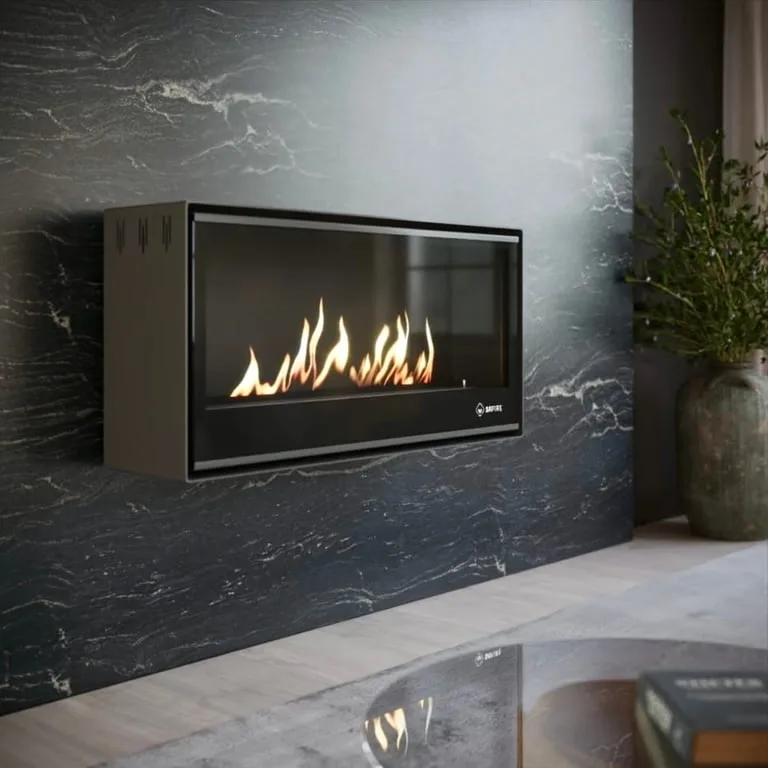
Wall-mounted flueless
A clean contemporary option where the fireplace is part of the room design.
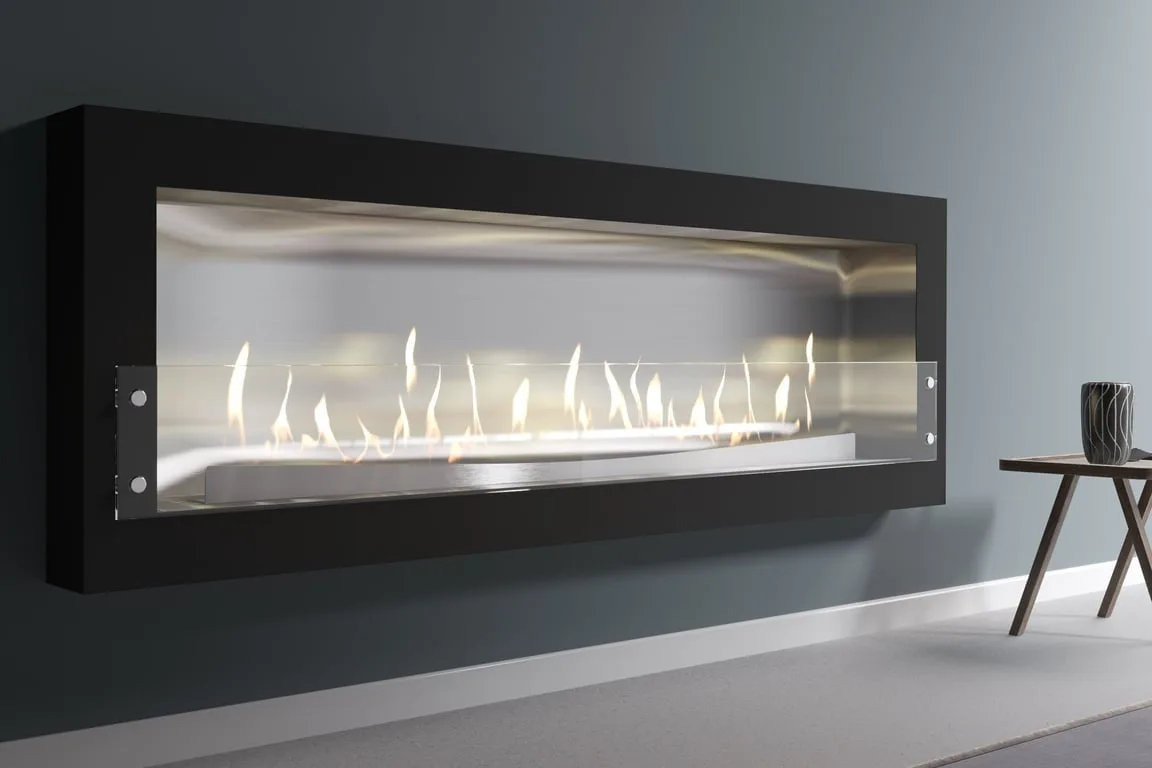
Freestanding gas
Useful where the room needs a self-contained appliance and simpler placement.
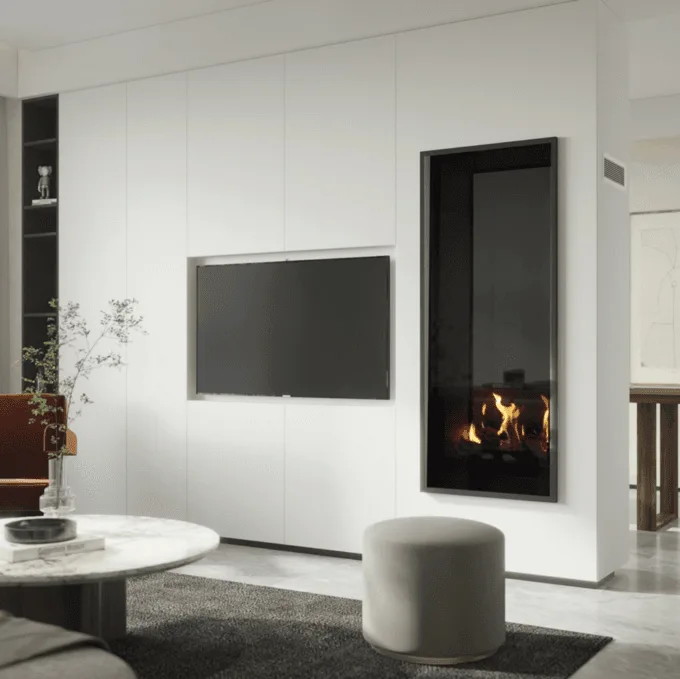
Built-in firebox
A more architectural route when the wall finish and opening can be planned.
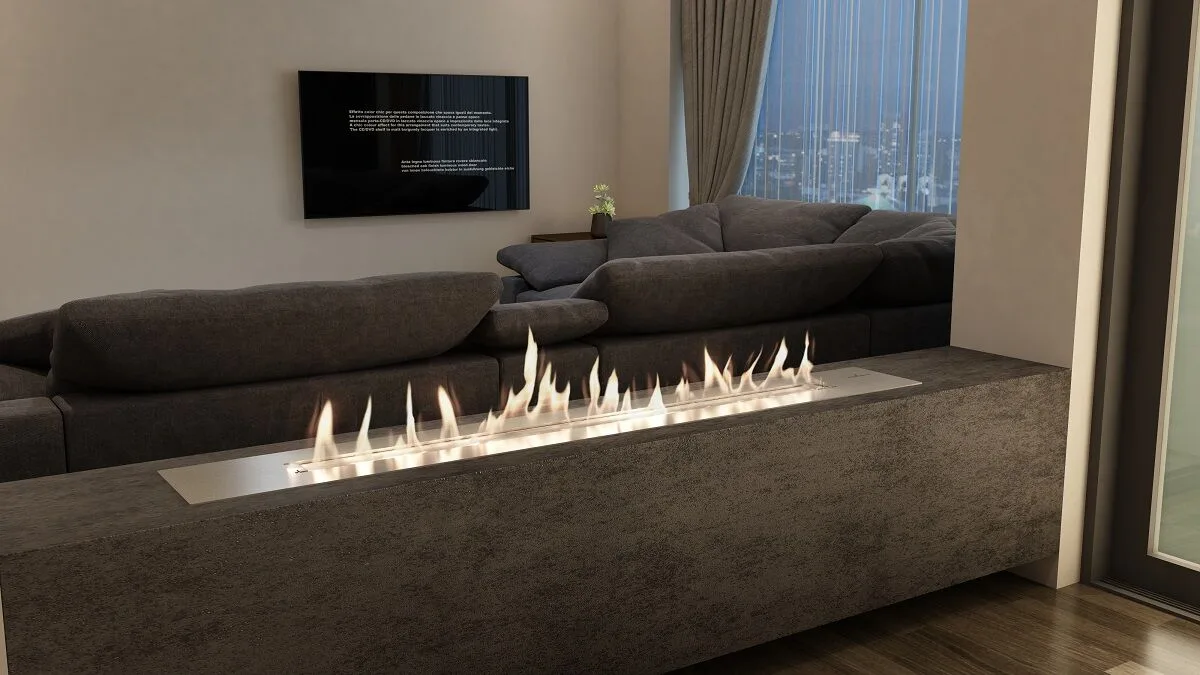
Drop-in grate
A practical option for selected fireplace openings and decorative gas flame beds.
Gas consumption
Start by checking how much LPG the fireplace uses and how the home will be supplied. A stronger gas fireplace can empty small bottles quickly, so storage, refill rhythm, and bottle position matter.
The original guide notes that installations above the 48kg LPG threshold may require a gas plan in Cape Town. Treat that as an early planning item to confirm with the installer, not a detail to solve after choosing the model.
Consumption only makes sense alongside useful heat output. A fireplace with the right look but the wrong running profile can become expensive or inconvenient to use.
- Gas use
- Check LPG consumption against how often the fireplace will run and how easily bottles can be replaced.
- Room output
- Compare stated kW output with room volume, open-plan areas, and heat loss.
- Ventilation
- Flueless fireplaces need suitable room volume and ventilation, not just a convenient wall position.
- Certification
- Use approved appliances and a qualified gas installer so the installation can be signed off properly.
Ready to compare gas models?
Move from gas planning into fireplaces worth comparing.
Once LPG supply, output, ventilation, and flue type are clear, compare gas fireplaces with the practical installation details already in mind.
Match stated kW output to the room
Heating capacity
Do not choose a gas fireplace by flame picture alone. The stated kW output, room volume, open-plan areas, and LPG consumption all need to make practical sense.
Useful heat first
Gas fireplaces still need to be sized to the room. Use room volume as the starting point, then allow for open-plan areas, ceiling height, insulation, and heat loss.
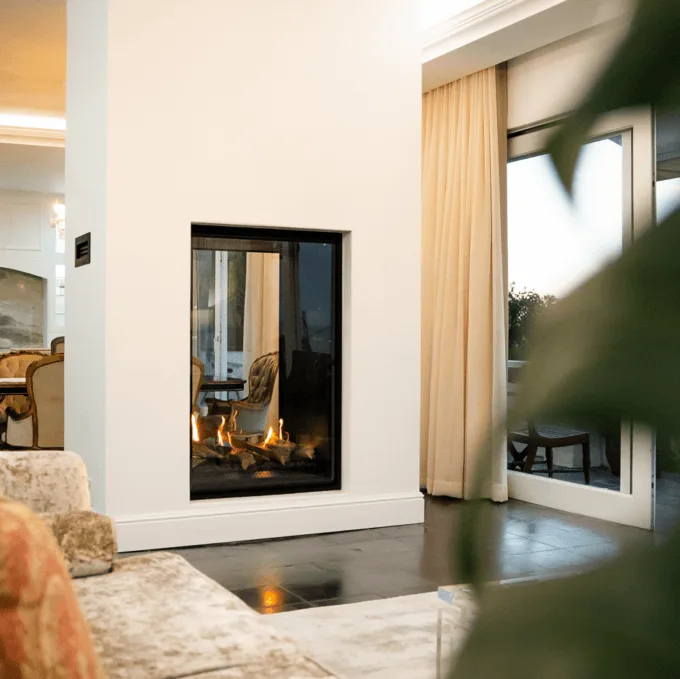
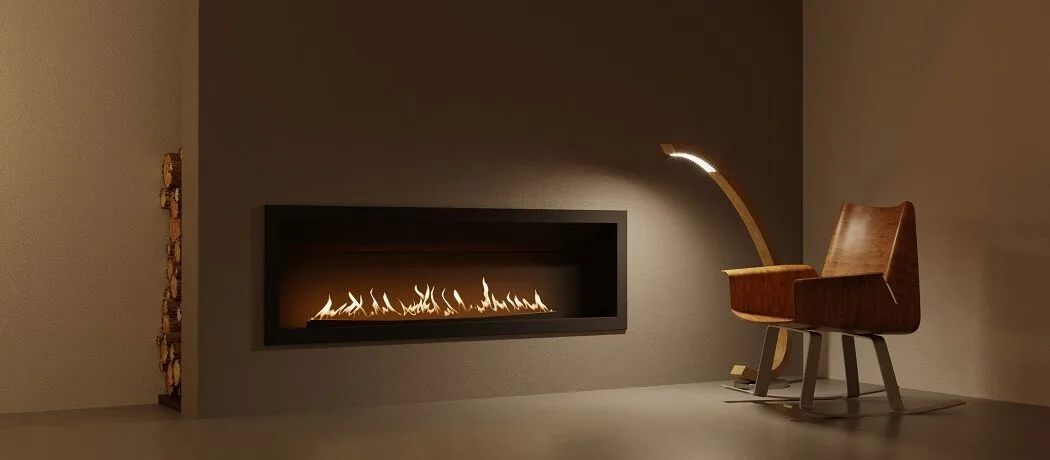
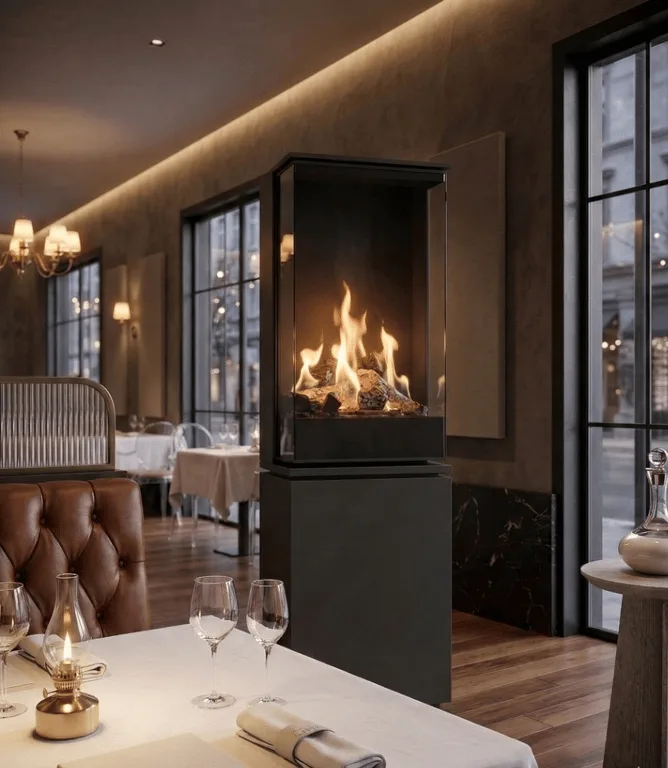
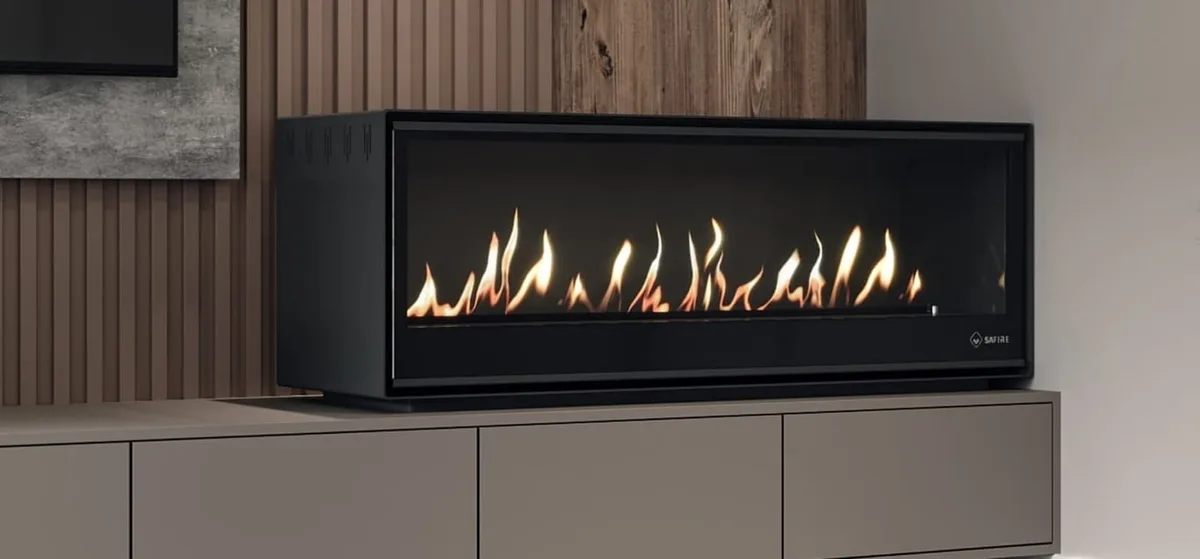
Do not choose only by flame picture. A long linear flame may look generous, but the stated kW output still needs to make sense for the area you expect to heat.
For larger rooms, compare model output and gas consumption together. The right model should feel credible as both a visual feature and a heating appliance.
Planning checks
- Width, depth, and ceiling height affect the useful requirement.
- Room volume
- Connected spaces that cannot close off increase the heating load.
- Open-plan areas
- Compare the stated kW output before choosing by appearance.
- Output comparison
Common gas questions
- Why does LPG consumption matter before choosing a fireplace?
The flame picture is only part of the decision. A stronger gas fireplace can use bottles quickly, so bottle size, storage, refill access, and running rhythm should be realistic for the home.
- When should the 48kg LPG threshold be checked?
Check it before committing to the appliance and gas layout. The original guide flags the Cape Town 48kg threshold as a planning issue, so the installer should confirm the current requirement for the site.
- Are flueless gas fireplaces suitable for every room?
No. Flueless models avoid a conventional chimney, but combustion products enter the room. Room size, ventilation, manufacturer guidance, and approval details need to be checked.
- When is balanced flue the better option?
Balanced flue is usually worth considering where the room is compact, sensitive, difficult to ventilate, or where a more controlled sealed combustion route is preferred.
Compare gas fireplace ranges
Use the guide to narrow the installation path, then compare real gas fireplace ranges with the right constraints in mind.
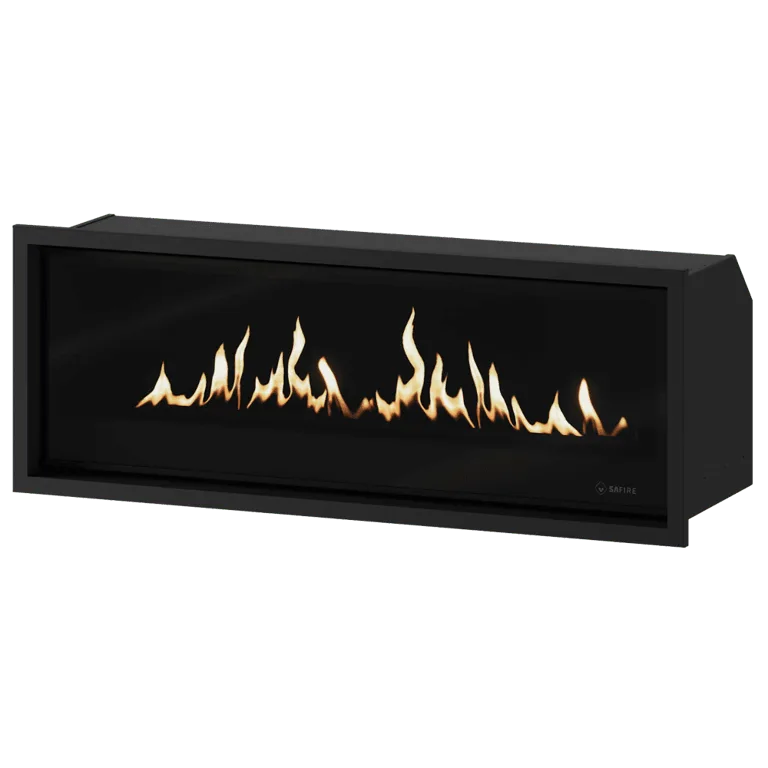
Flueless gas fireplaces
Simple placement options for suitable rooms, with careful attention to ventilation and room volume.
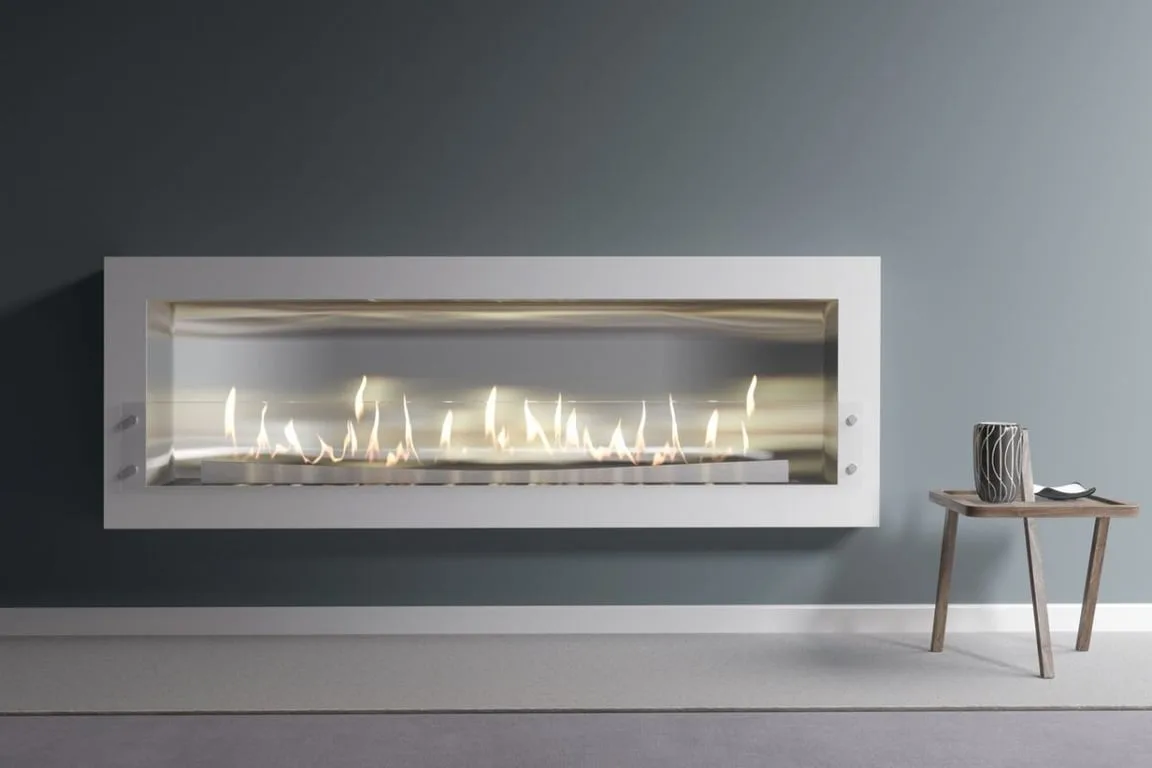
Built-in gas fireplaces
A cleaner architectural finish when the wall opening, surround, and appliance dimensions are planned together.
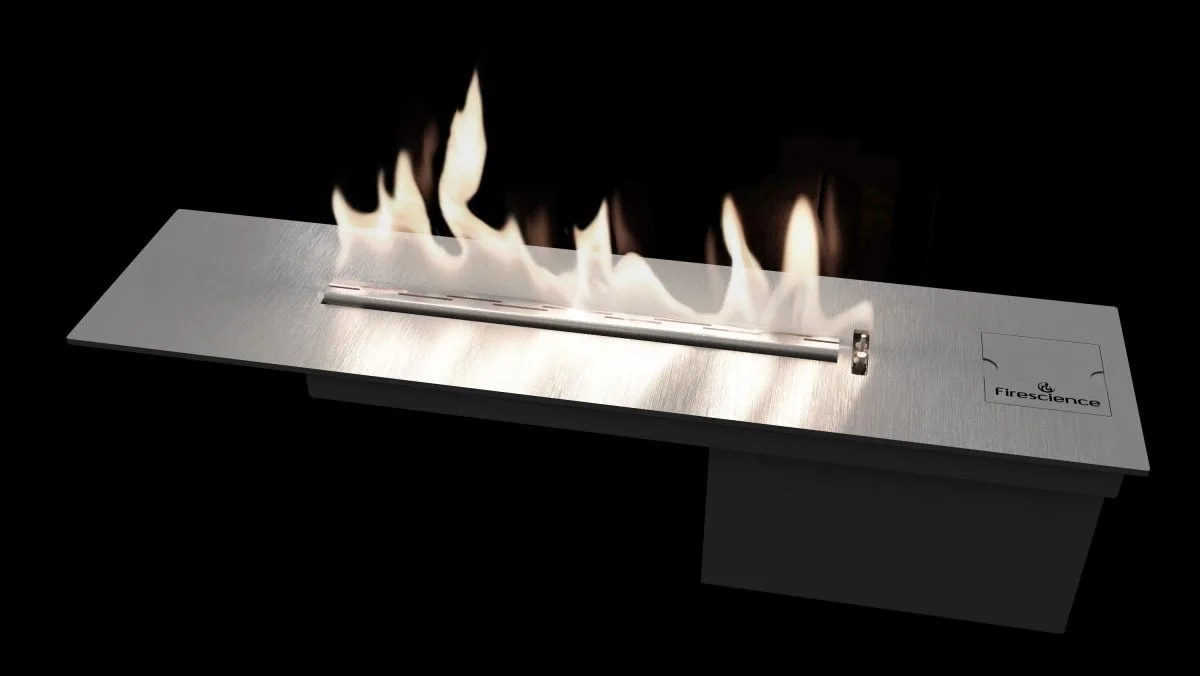
SAFIRE gas range
Browse a prominent local gas fireplace range with freestanding, built-in, and drop-in options.
Ready to compare models?
Browse gas fireplaces with the practical details in mind.
Compare output, flame style, product format, and gas-fireplace options after checking the room and installation constraints.