Flexible installation
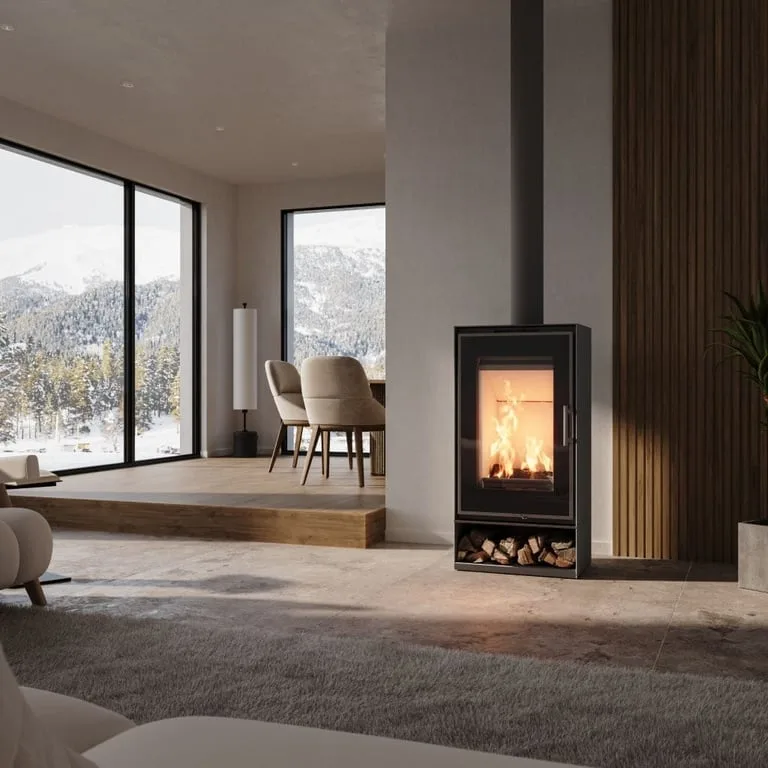
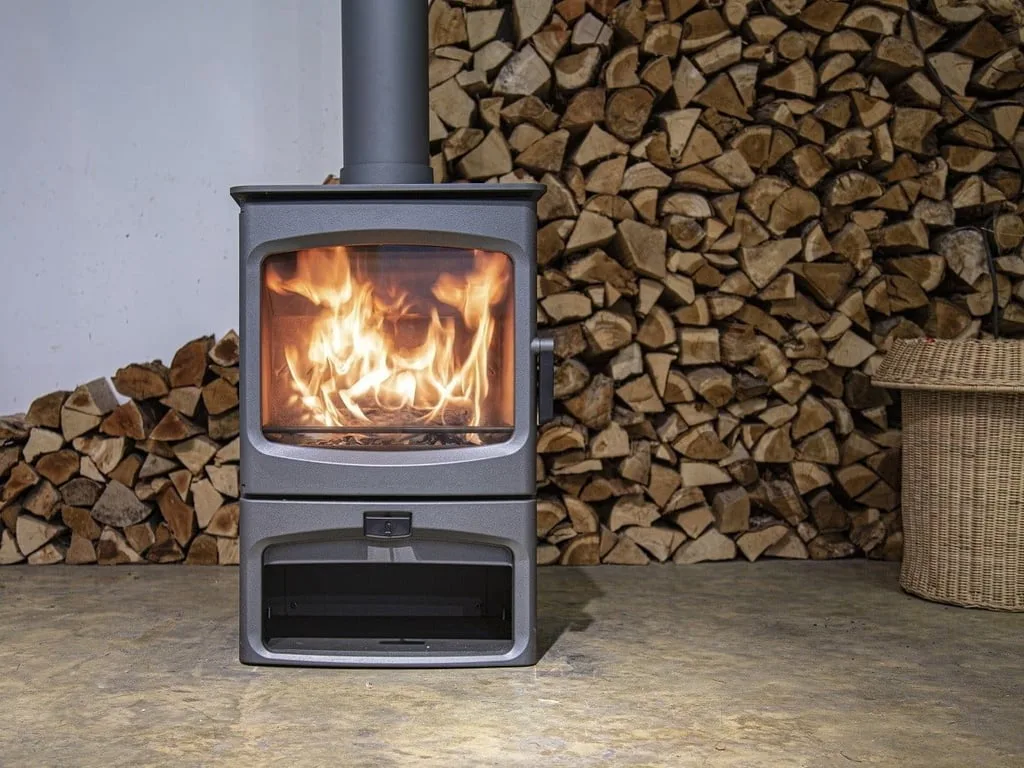
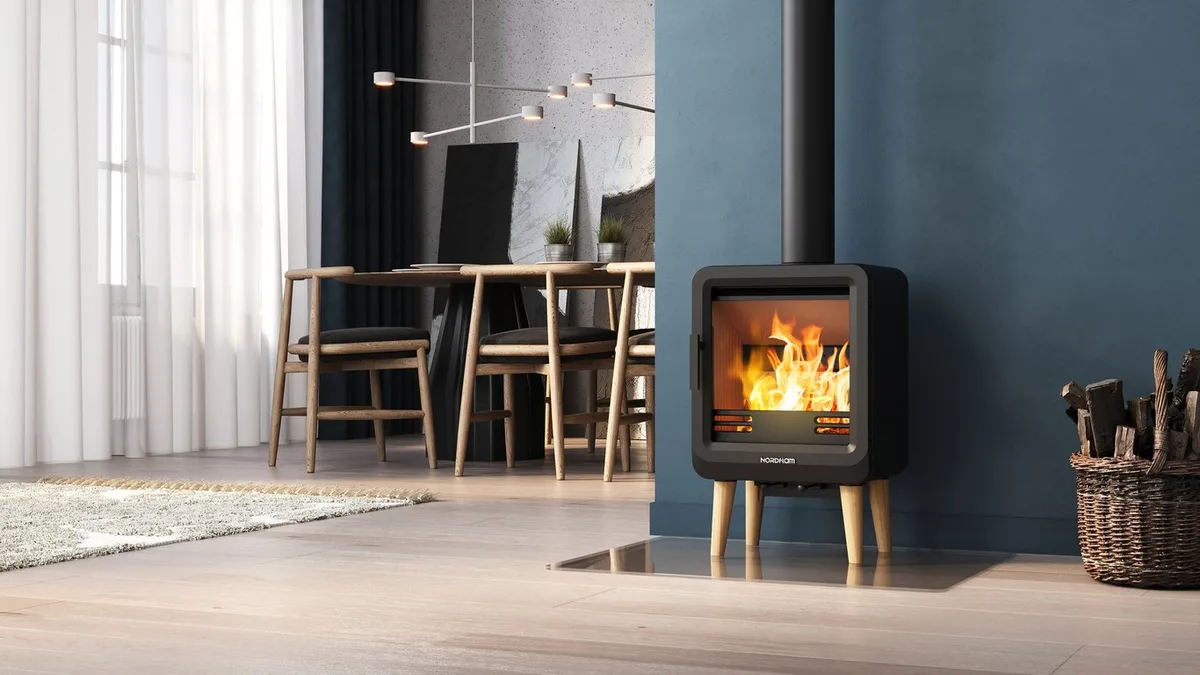
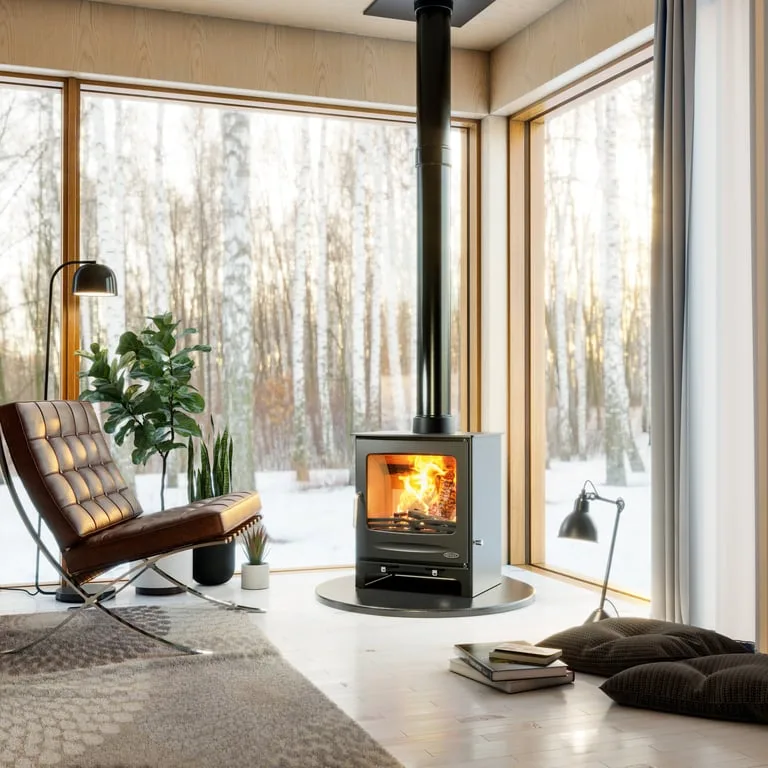
Freestanding
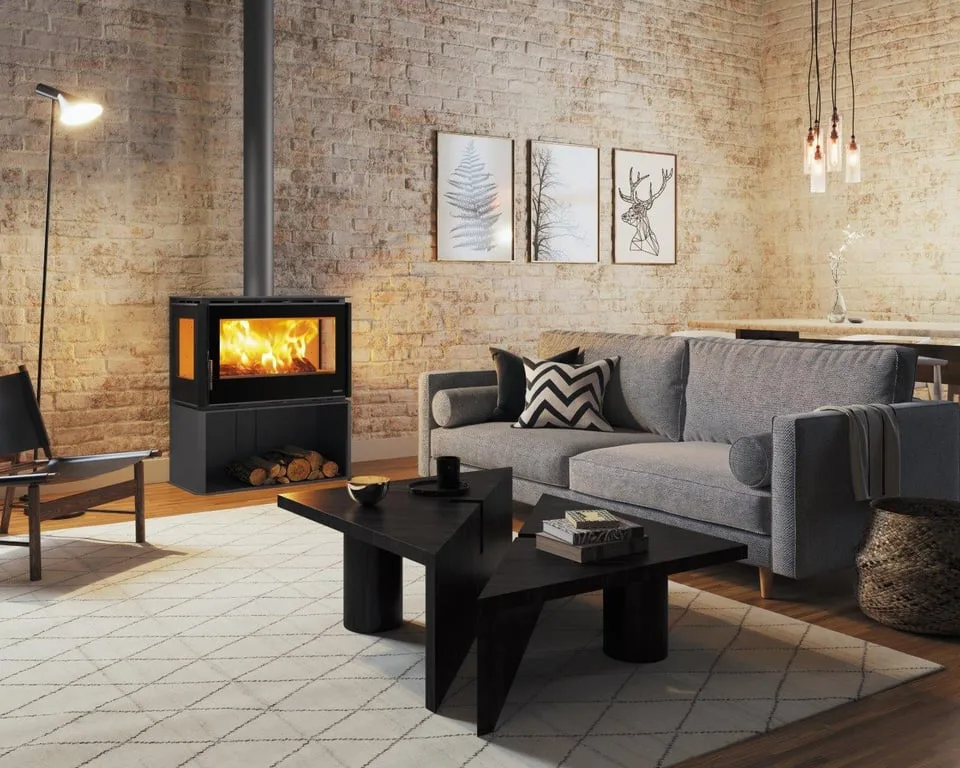
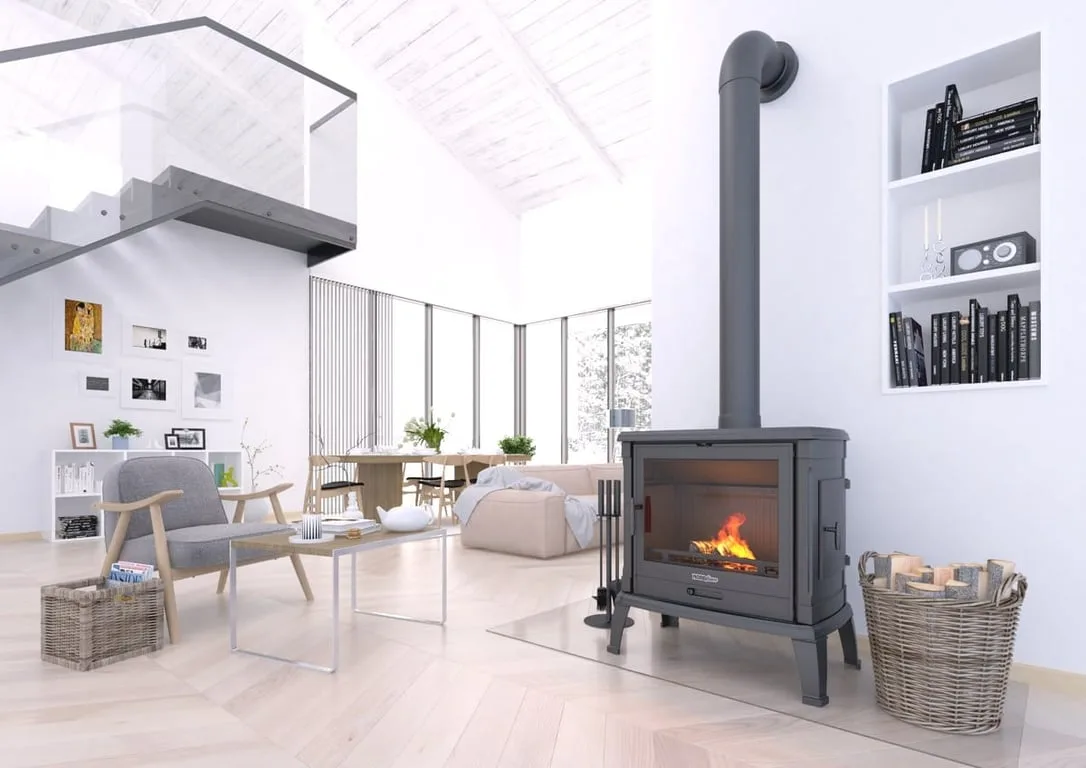
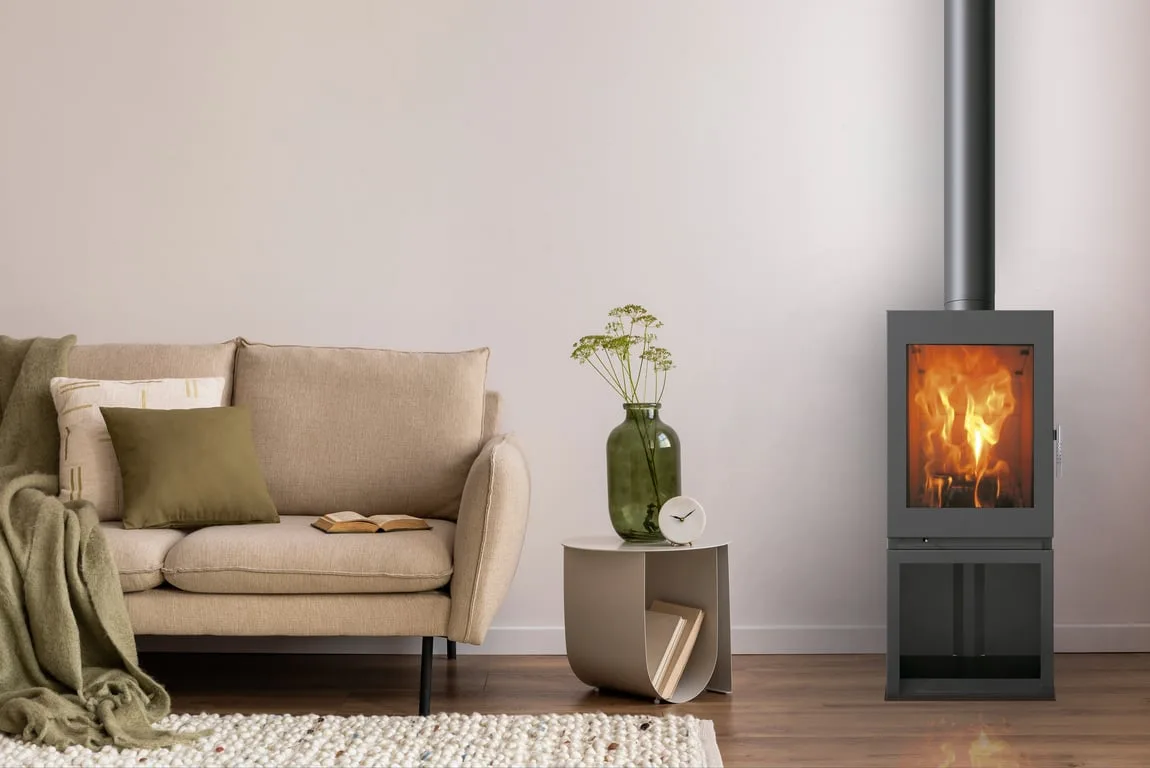
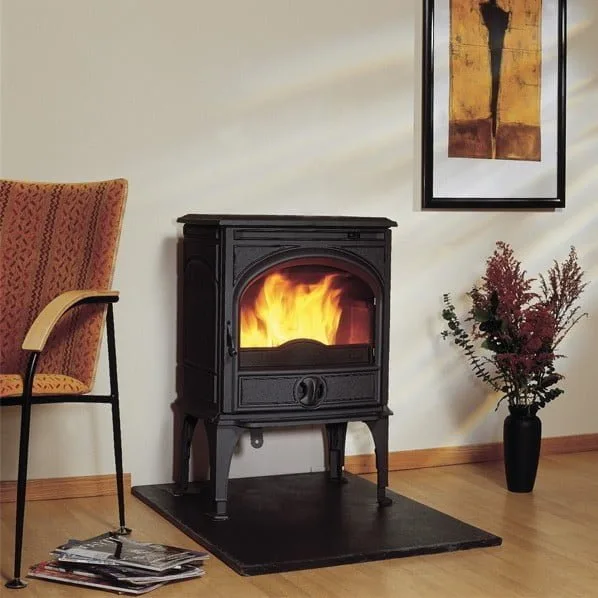
The quickest route for most finished rooms: a visible stove body, simpler surround work, and strong product presence.
Browse freestandingA practical guide to choosing the right closed-combustion fireplace for your room size, budget, fuel preference, and installation type.
First match the fireplace to the room
A slow-combustion fireplace is chosen around heat output, installation format, fuel quality, and the full flue route. Once those are clear, the product choice is much easier to narrow down.
Types of slow-combustion fireplaces
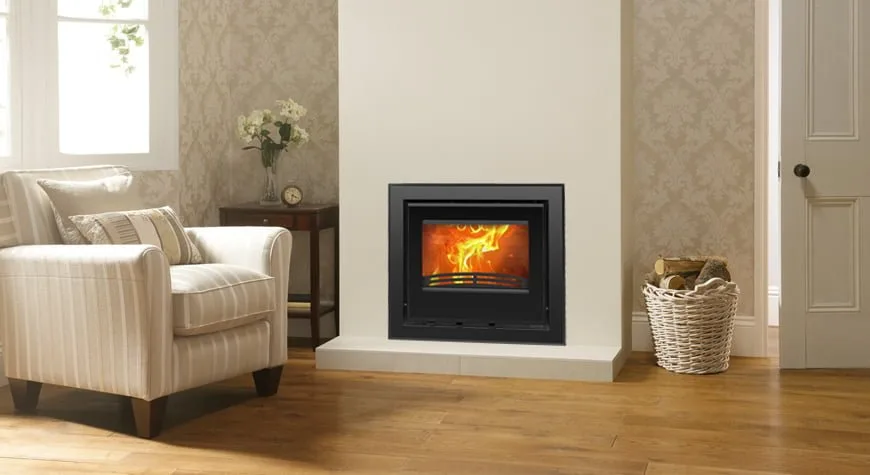
Freestanding
The quickest route for most finished rooms: a visible stove body, simpler surround work, and strong product presence.
Browse freestandingBuilt-in
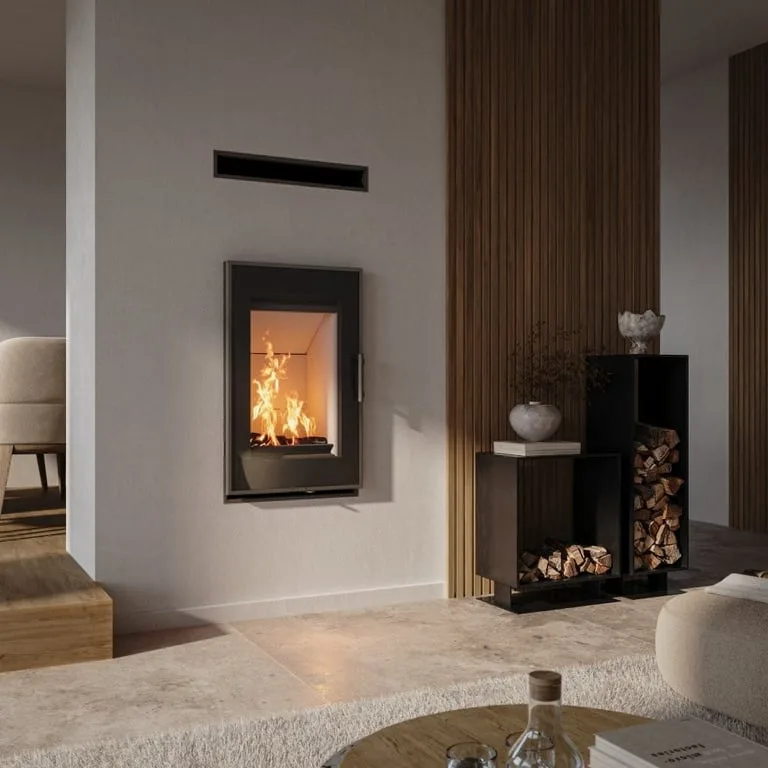
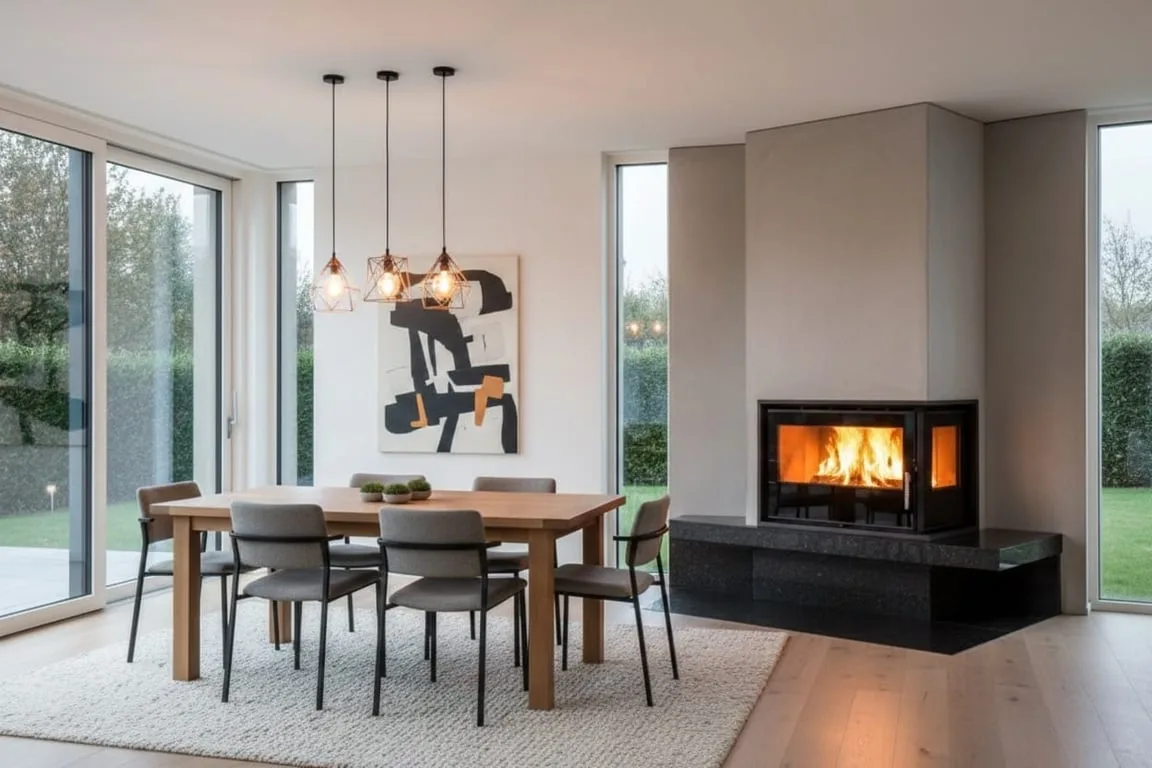
Best for new builds and feature walls where the fireplace, cladding, mantel, and flue route can be planned together.
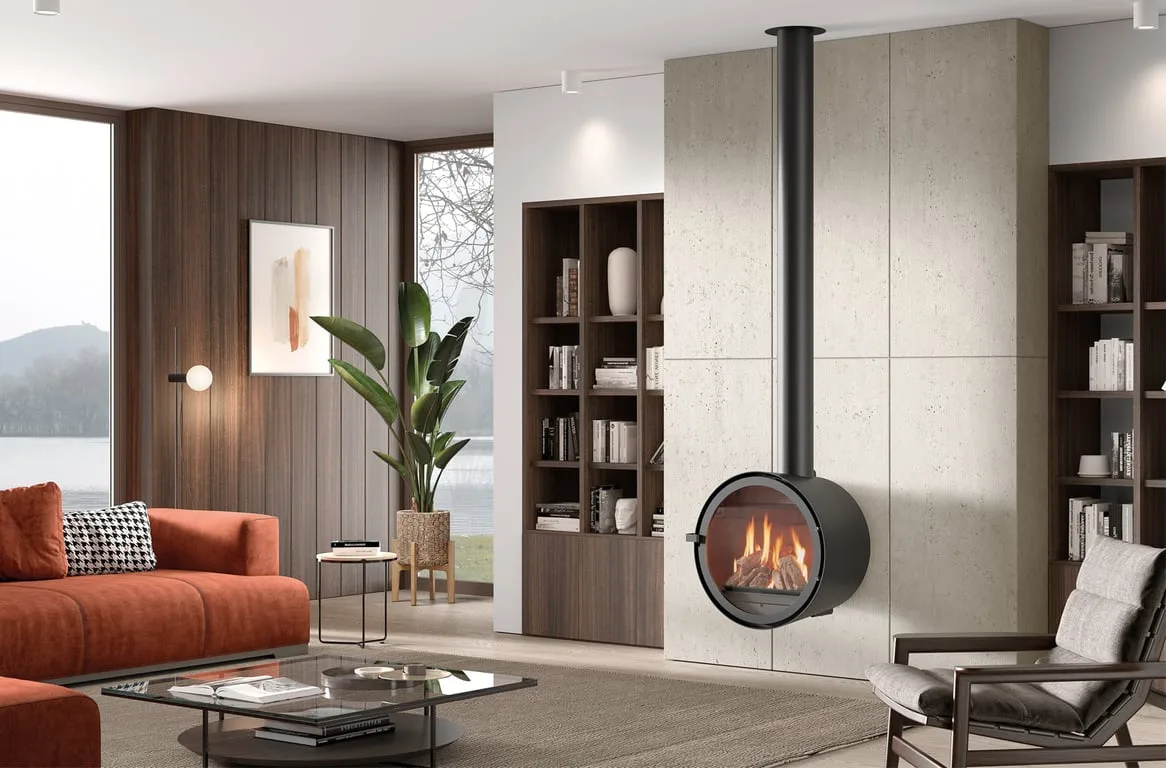
Browse built-inWall-mounted
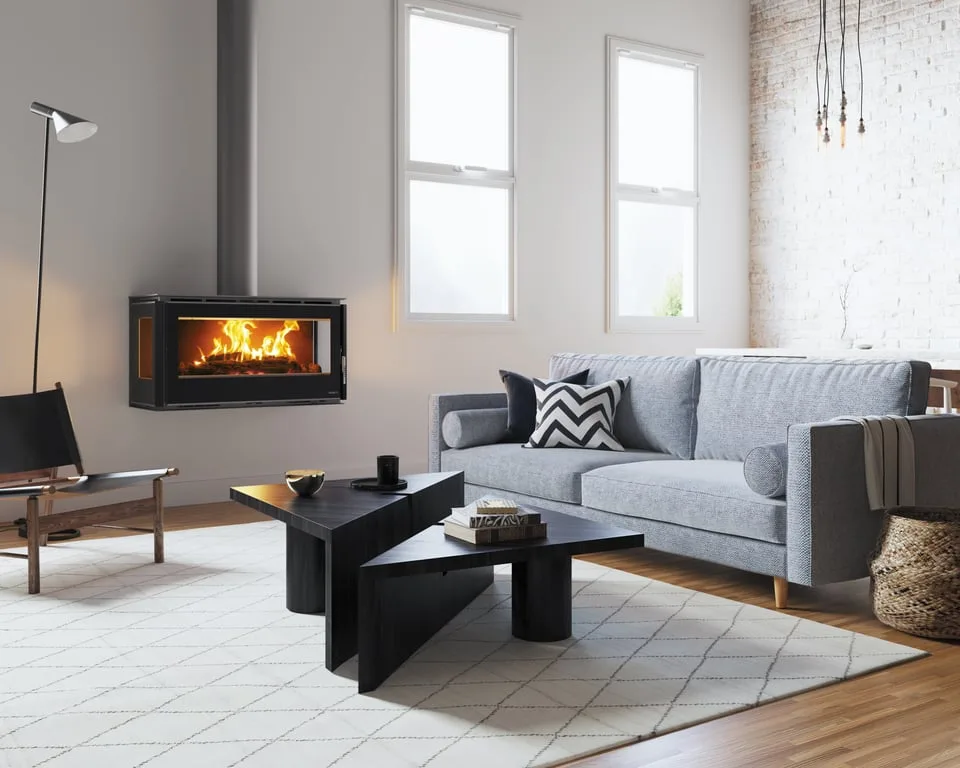
A cleaner, lifted look for modern rooms, with more care needed around wall structure, clearances, and flue position.
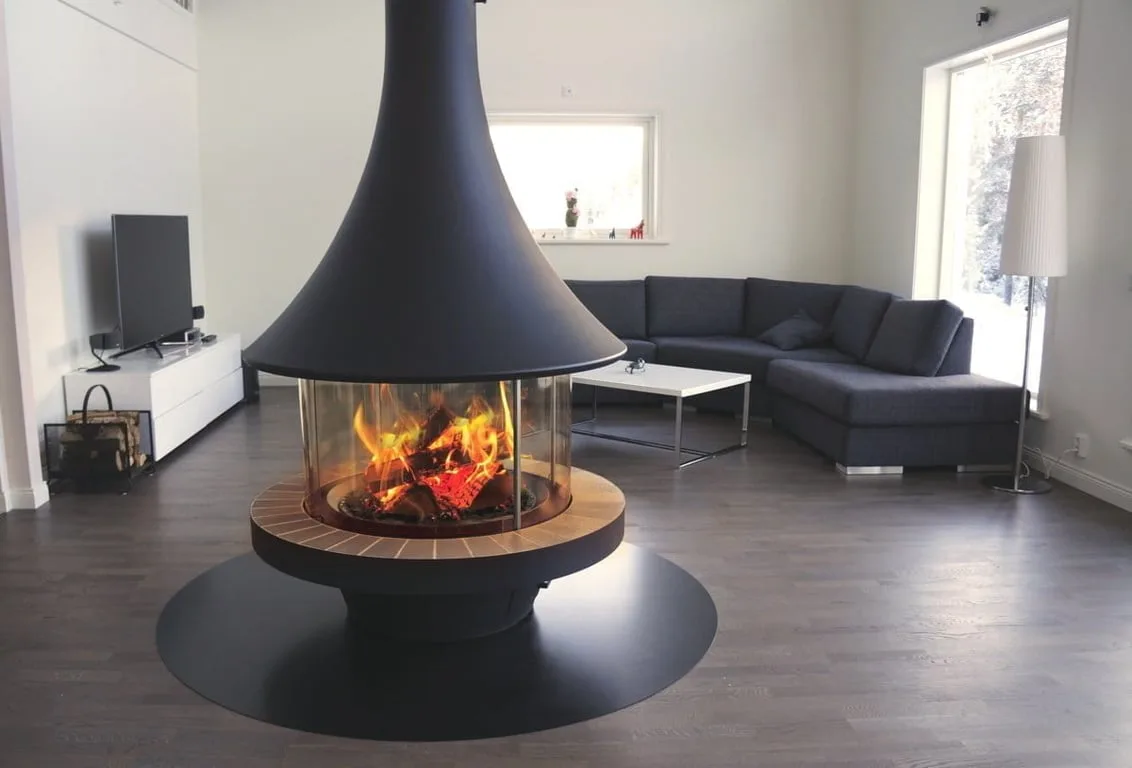
Browse wall-mountedSuspended
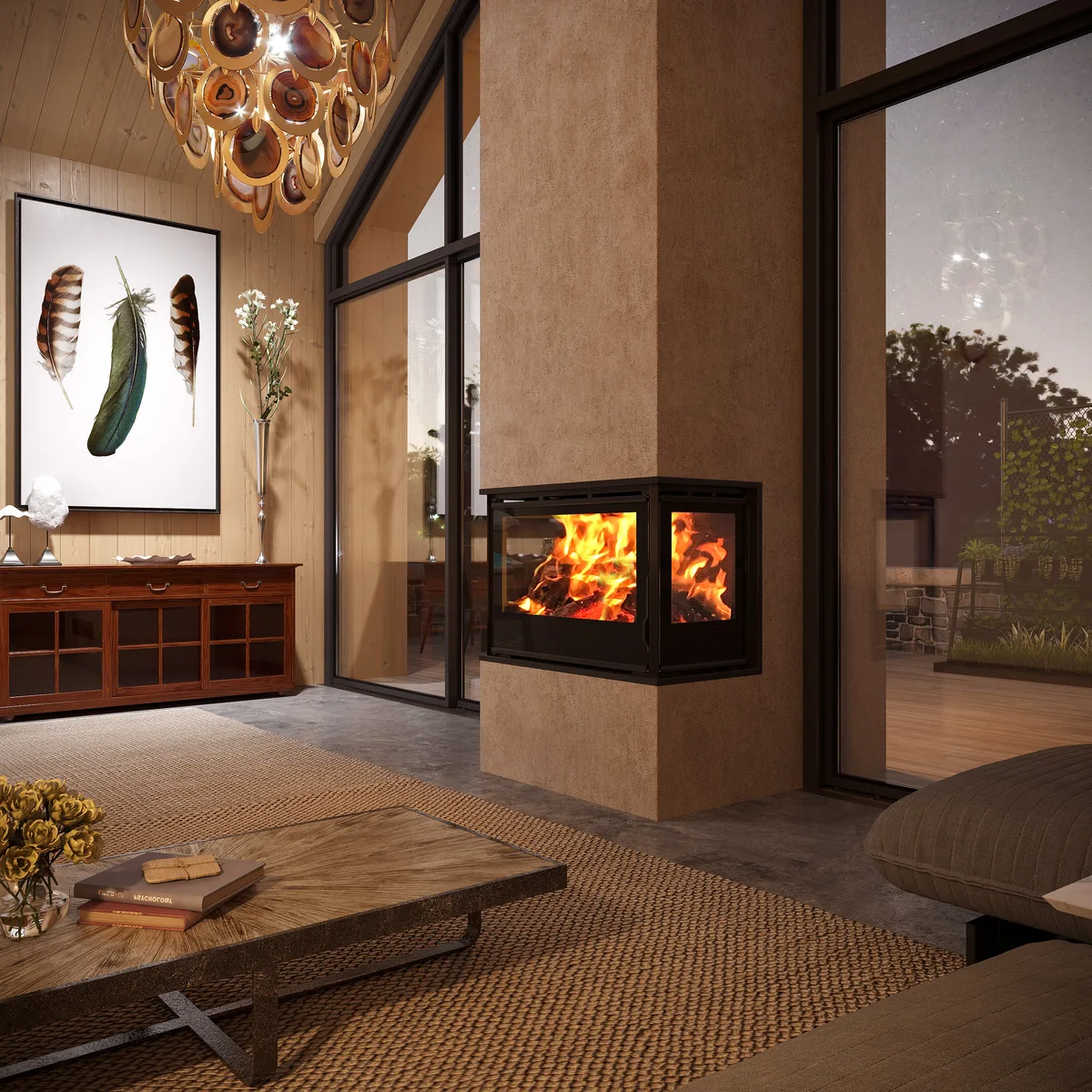
Centre-room and suspended-style designs make the fireplace a sculptural focal point, with the flue route doing more of the visual work.
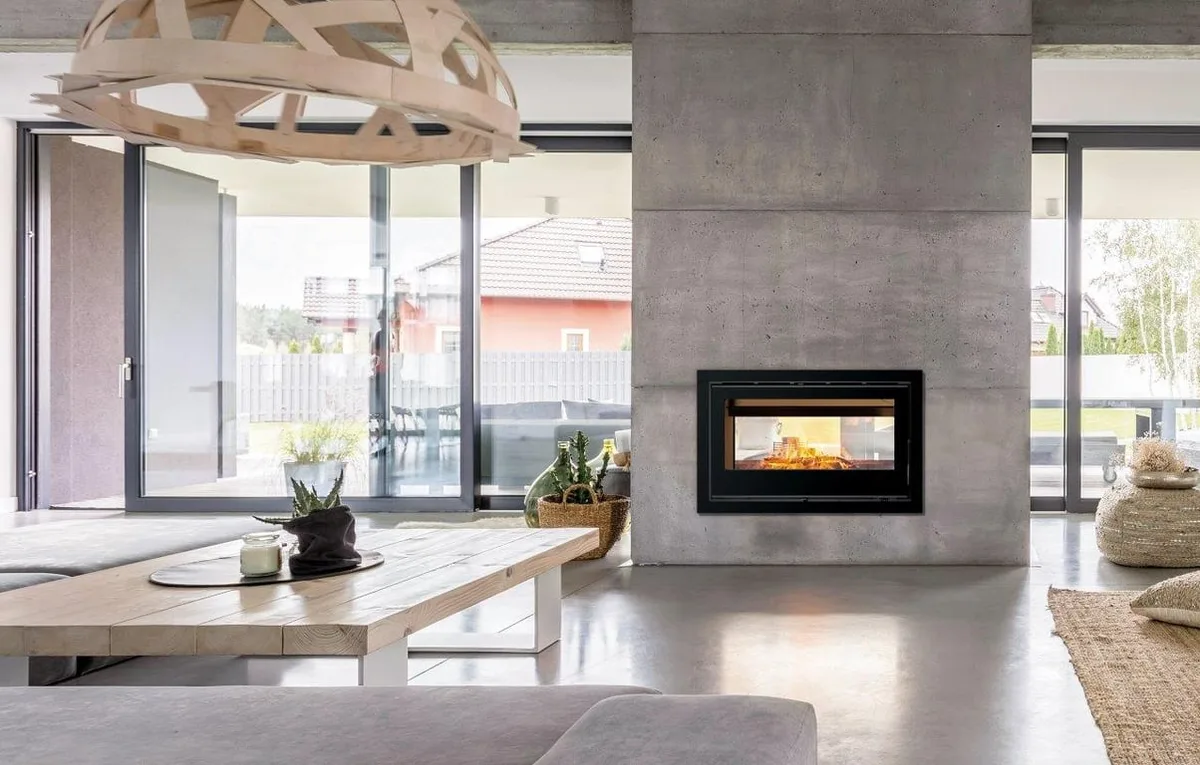
Browse suspended stylesDouble-sided
Made for room dividers, open-plan zones, and shared living areas where both sides of the flame need to work.
Browse double-sidedA fireplace is easier to choose when the main questions are separated first. Use this guide to understand the practical trade-offs, then compare models with a clearer brief.
Plan appliance, flue, installation, and site costs together
Read section
Match kW output to room volume and heat loss
Read section
Choose the fuel style that suits how you burn
Read section
Balance installation cost, room design, and final look
Read section
Plan appliance, flue, installation, and site costs together
Start by deciding what you want to spend. Slow combustion fireplace prices are normally quoted excluding the flue kit, cowling, and installation, so those costs still need to be added to the appliance price.
As a practical guide, compact freestanding stoves usually sit at the entry point, larger freestanding models move into the mid-range, and built-in or panoramic fireplaces need a higher appliance budget before installation costs are added.
Where possible, compare certified European products first. Tested output and efficiency figures make it easier to understand what you are paying for and avoid false economy.
Entry point
R15k-R35k
Compact freestanding models for practical room heating.
Mid-range
R35k-R55k
Stronger outputs, better finishes, and wider model choice.
Architectural
R55k+
Large-format, built-in, panoramic, and premium fireplace ranges.
Value is not only the appliance price.
A well-made entry or mid-range fireplace can be the smarter choice than chasing the lowest appliance price, especially once durability, coastal conditions, and long-term parts support are considered.
Featured slow-combustion ranges
Once budget, output, fuel, and format are clear, Carbel and Nordflam are two useful starting points for comparing premium inserts against practical freestanding stoves.
Brand range
Premium Spanish closed-combustion fireplaces with broad insert and panoramic options.
Explore rangeBrand range
Practical freestanding fireplace models suited to efficient everyday heating.
Explore rangeMatch kW output to room volume and heat loss
Take the volumetric size of the room into account when choosing the kilowatt output. As a rough guide, a normal 2.7m ceiling height requires about 1kW for every 10 square metres.
Hyper Fires normally recommends choosing a fireplace about 2kW over the calculated room requirement to compensate for heat loss through poor insulation.
If your living area is open plan, include adjacent rooms that cannot be closed off. Also compare fireplace efficiency ratings because certified stoves can perform very differently from uncertified imports. Remember that stated kW ratings are maximum capacities, so use the nominal heating capacity when deciding on the correct kW rating.
Start with volume, then allow for losses.
Width, depth, and ceiling height all affect the required output.
Poor insulation and open-plan spaces increase the practical requirement.
European nominal ratings are often a better planning figure than maximum output.
Room output guide
Estimate the minimum output from room size and insulation, then open matching slow-combustion fireplaces from the result.
Hyper Fires can confirm the right size for your room and fireplace style.
Required kW output for this room size
Select insulation
Choose good or poor insulation to reveal the kW estimate.
Choose the fuel style that suits how you burn
Decide whether you want to burn wood, anthracite, or a combination before choosing the fireplace.
Most slow-combustion ranges are designed around seasoned wood as the primary fuel.
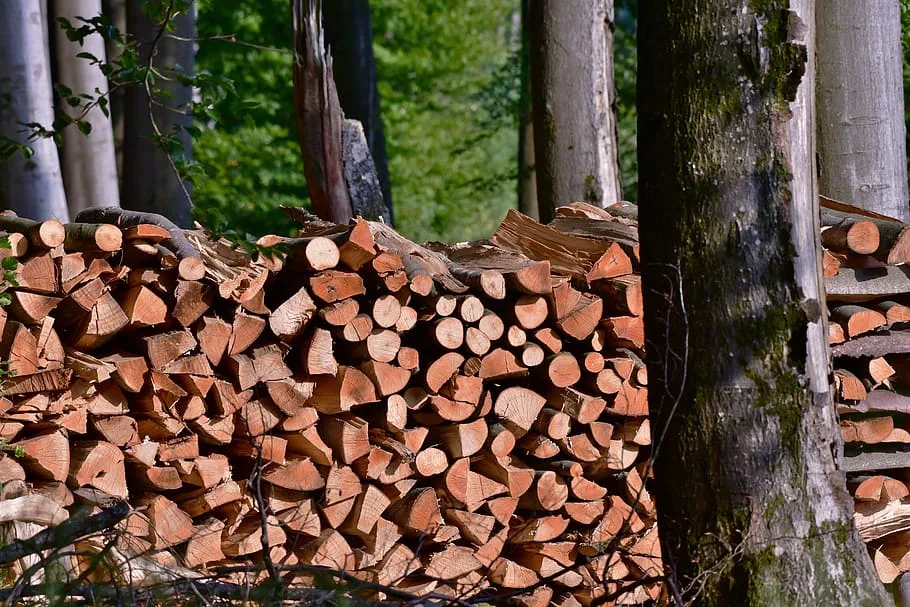
Dry, properly seasoned wood affects glass clarity, soot, and practical heat output.
Coal-type fuel needs an appliance that manages ash and under-fire airflow correctly.
Anthracite-capable choices are usually compact freestanding stove designs.
The best fit for most closed-combustion fireplace projects. Choose this path for the broadest model range, stronger flame picture, and higher practical room-heating output.
A more specialised path for people who want a slower, steadier burn rhythm. Choose this only where the fireplace is rated for anthracite or multifuel use.
Balance installation cost, room design, and final look
Freestanding and built-in fireplaces solve different room-design problems. The visual difference is often more important than another paragraph of specification copy.
Visible stove body, quicker installation path, and a stronger standalone product presence. Often the practical route for existing homes.
The fireplace becomes part of the room architecture. Best when the wall, mantel, cladding, or surrounding joinery can be planned properly.
Compare the range
Browse current wood-burning and multifuel fireplaces, compare outputs and formats, and shortlist models that suit the way your home will be heated.
Browse slow-combustion fireplacesVideo guide
Watch the supporting Carbel video for practical context on slow combustion fireplace operation and setup.