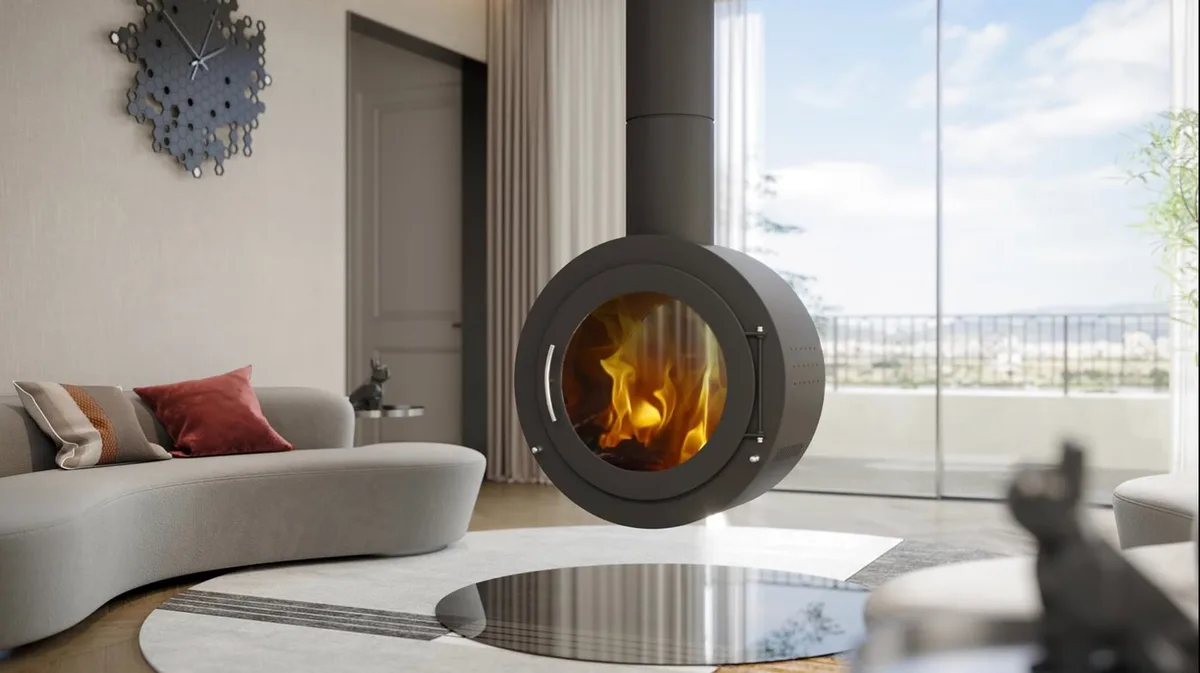
Arched freestanding stove
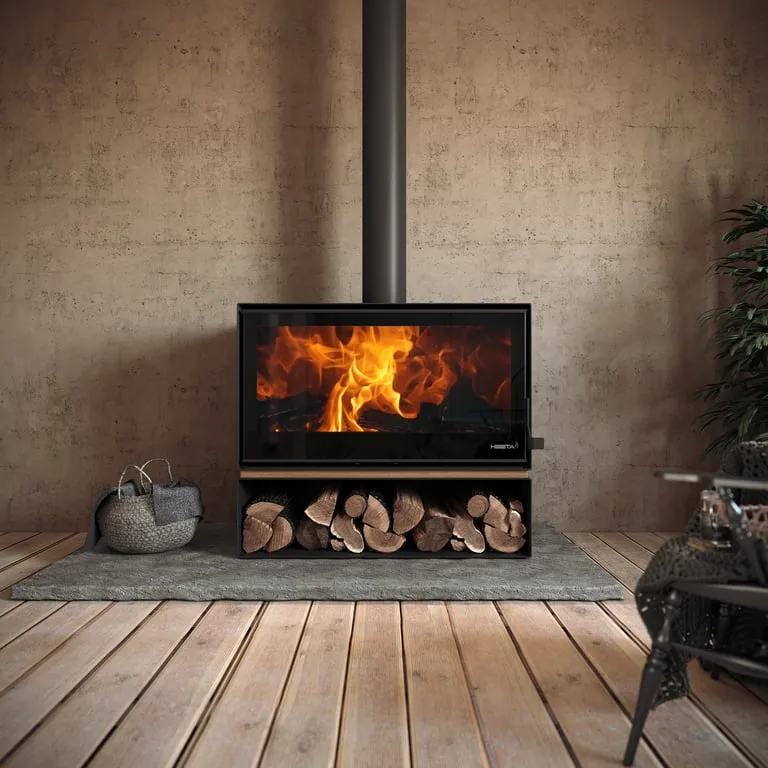
A strong example of a straightforward wood-burner where dry fuel keeps the flame cleaner and the glass clearer.
A practical guide to seasoning and storing firewood so your fireplace burns hotter, cleaner, and with less soot.
Start with the fuel before the fire
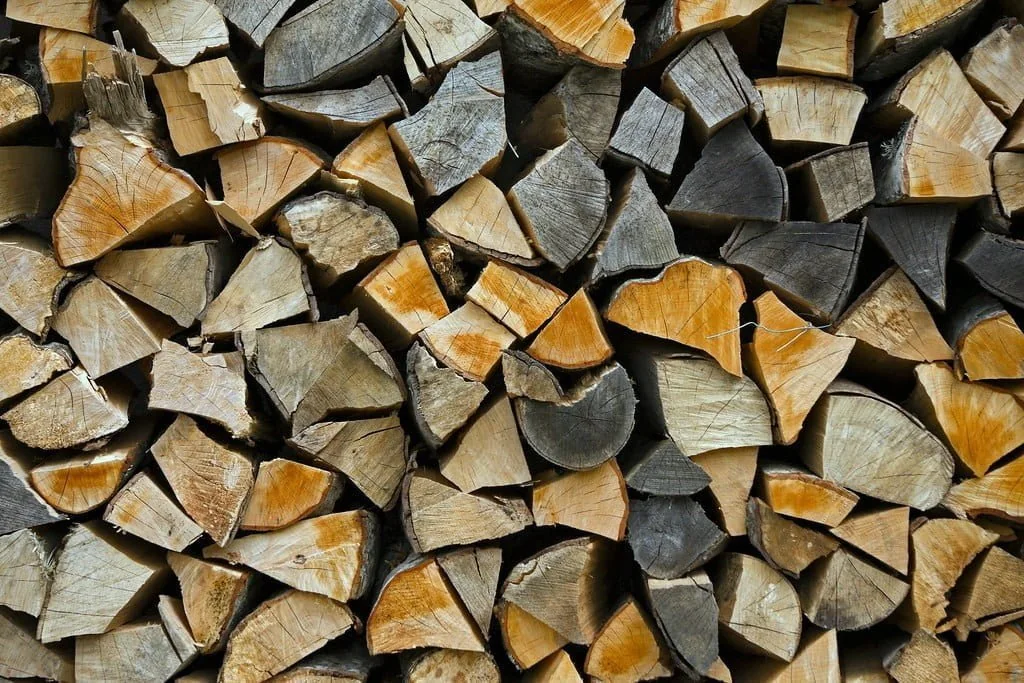
Dry wood affects heat output, glass clarity, soot levels, and how often the chimney needs attention. The stack is part of the fireplace system.
Make the stack dry, not just tidy.
The owner’s source advice is simple: split the wood, store it outside, keep air moving, protect the top, and test before burning.
Fuel quality affects the whole fireplace system.
Good firewood preparation improves heat output, keeps glass cleaner, and reduces soot in the fireplace and chimney.
Moisture content
Wet wood steals heat before the room gets it.
Freshly cut wood first spends fire energy boiling off water. Seasoning turns more of that burn into useful heat.
Glass tells the story
Cool smoky fires blacken glass faster and make a closed fireplace harder to live with.
Soot is a fuel issue
Poor fuel increases soot and creosote, so storage habits become a maintenance decision.
Flue performance
The chimney feels it
Wet wood burns cooler, leaves more residue, and makes the flue work harder.
Stack and cover
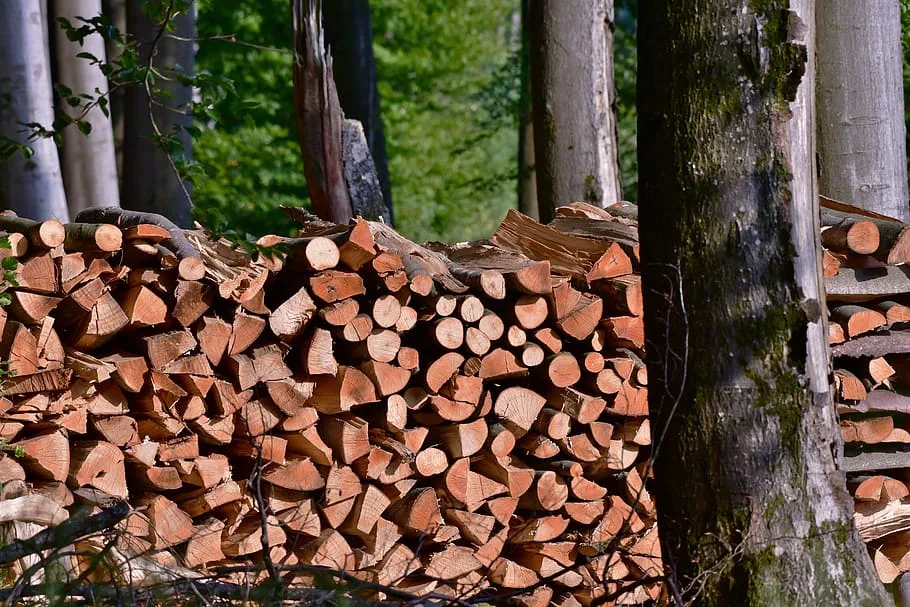
Split the wood, keep the stack outdoors, lift it off damp ground, and cover only the top. That keeps the storage advice practical without repeating the same point in three separate sections.
Smaller split pieces expose more surface area and dry more effectively.
Air needs to move through and around the stack, especially if it sits near a wall.
Keep rain off without wrapping the sides closed and trapping damp air.
Move only a short-use supply indoors instead of trying to finish drying damp wood in the living room.
Practical target
Once storage is sorted, compare wood-burning fireplaces that suit the room and the way the fire will be used.
Dry wood is usually lighter, shows end cracks, and makes a clearer sound when two pieces are knocked together.
A moisture meter gives a better reading if you want a more reliable check.
If the wood hisses, smokes heavily, or struggles to burn, it likely needs more drying time.
Wood-burning fireplaces
Closed-combustion fireplaces are designed around controlled airflow and hot combustion. Seasoned wood helps protect that performance in daily use.
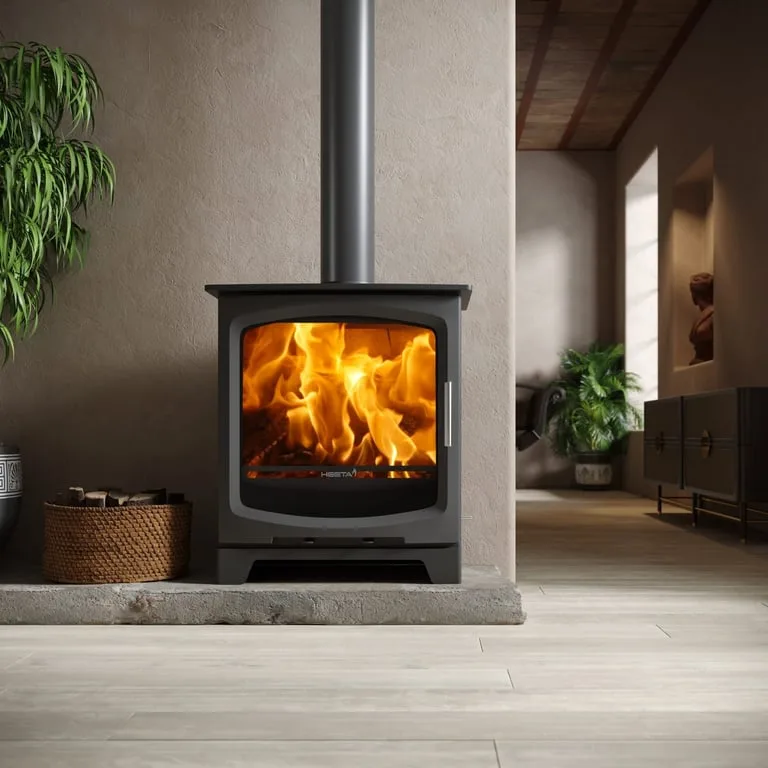
A strong example of a straightforward wood-burner where dry fuel keeps the flame cleaner and the glass clearer.
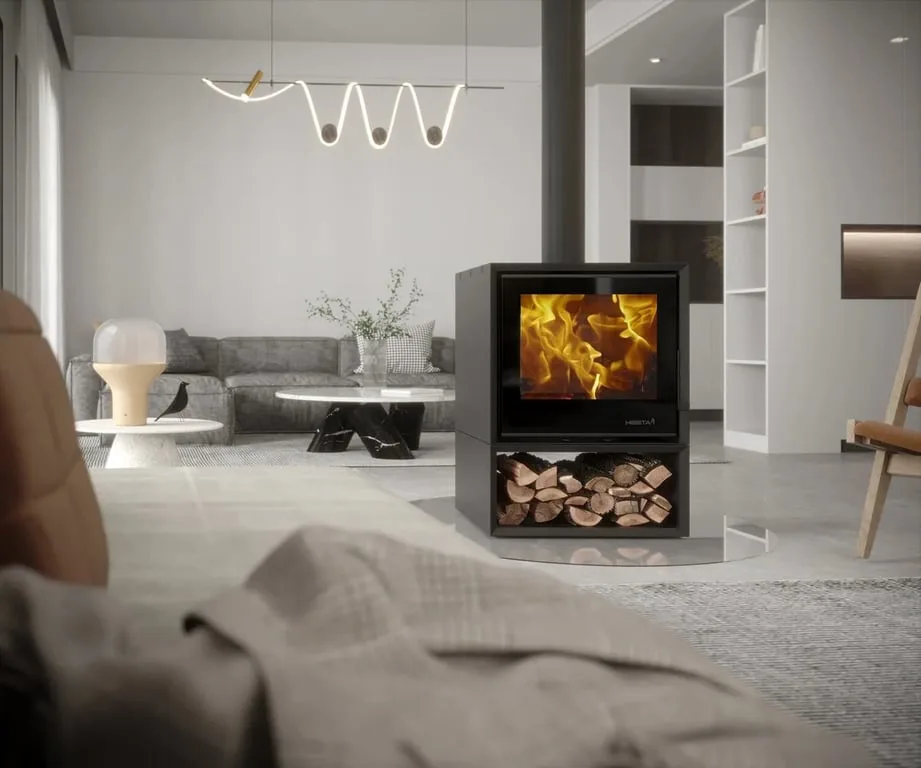
A double-sided fireplace makes fuel quality more visible because smoke and dirty glass are harder to hide.
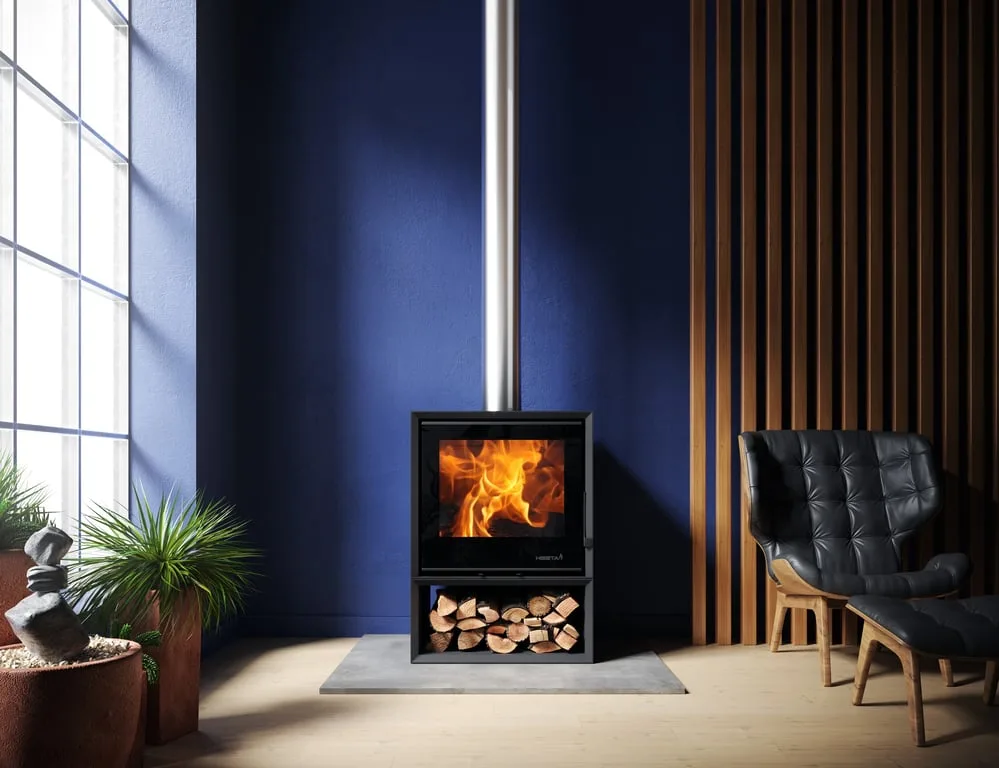
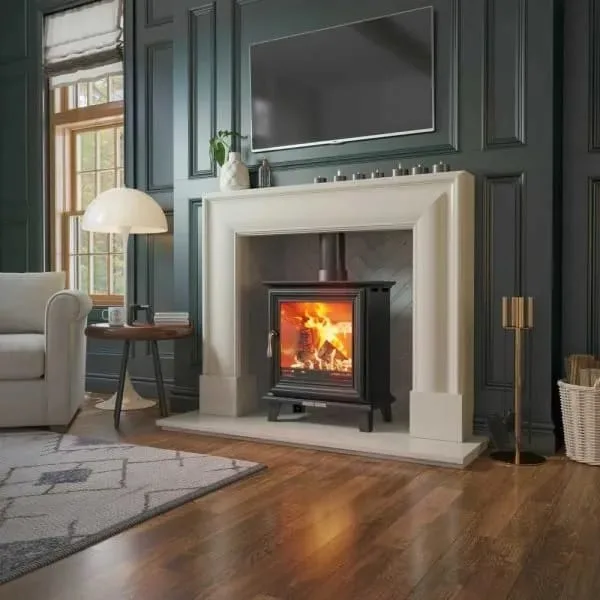
A useful lifestyle example for showing how a wood fireplace sits in a room, not just on a white product background.