Fireplace Maintenance
A practical maintenance guide for keeping your fireplace safer, cleaner, and easier to use through winter.
Service habits protect the whole system
A clean fireplace depends on fuel quality, controlled airflow, intact seals, and a clear chimney route. Maintenance is easiest when each part is checked before winter.
- Fuel and ash
- Keep the burn clean and clear.
- Seals and glass
- Check rope before peak use.
- Flue route
- Sweep and inspect the chimney.
Maintain before winter.
Four checks prevent most winter fireplace problems.
Most fireplace problems are easier to prevent than fix. A yearly check helps protect performance, safety, and product lifespan. Work through fuel, seals, chimney condition, and operating temperature before the first cold front.
Ash and fuel
Keep airflow and fuel quality under control
Clean burning starts with a clear air path and dry fuel. Excess ash, wet wood, and waste burning cool the fire, dirty the glass, and push more soot into the chimney.
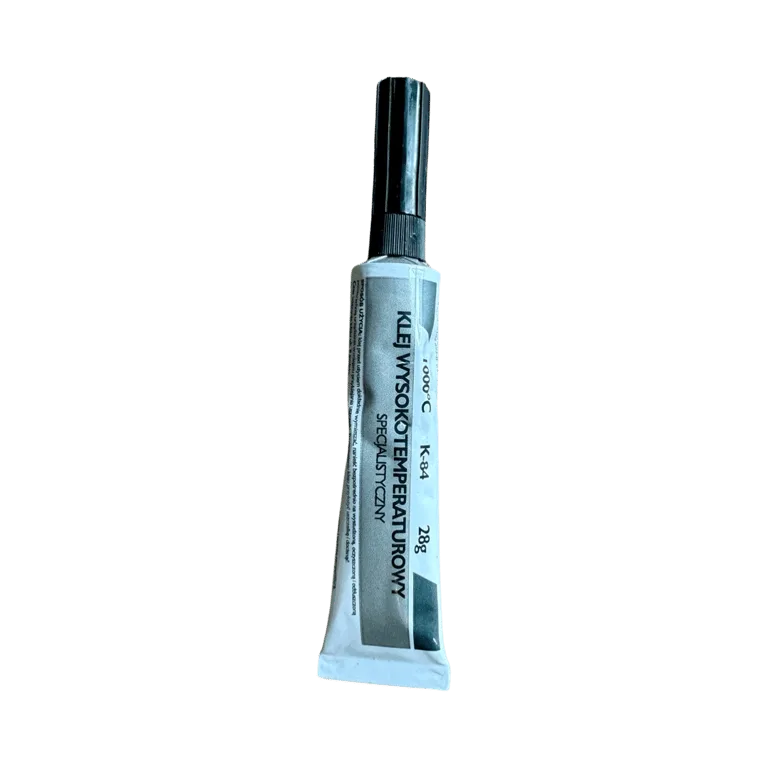
Door seals
Inspect rope before blaming the fireplace
Loose or worn rope seals let extra air into the appliance and make the burn harder to regulate.
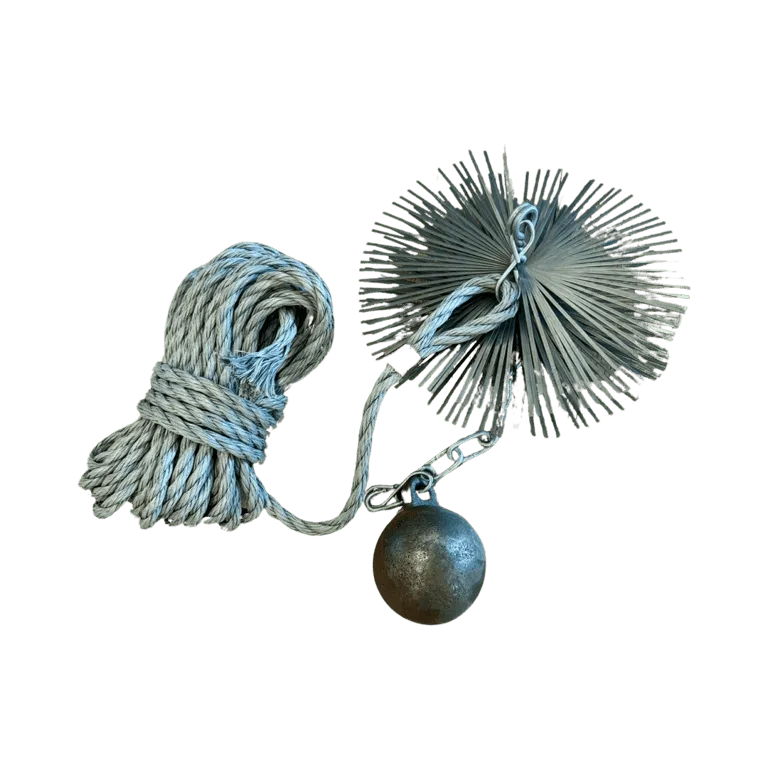
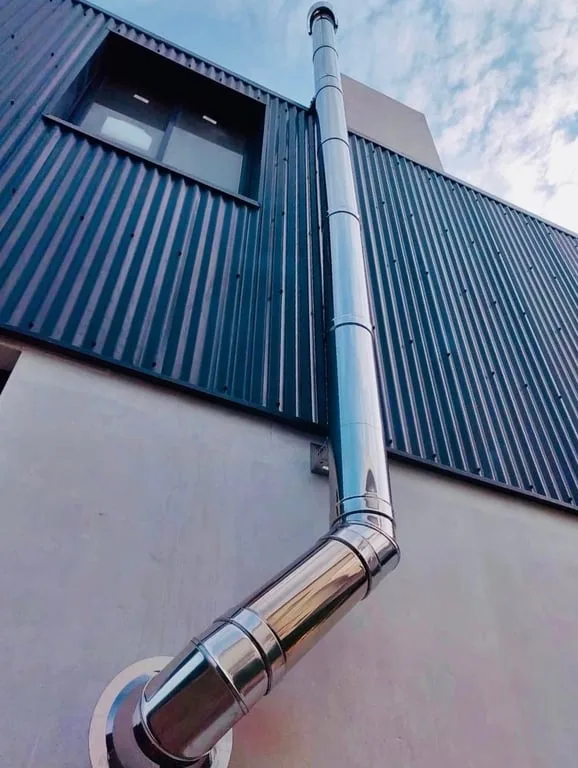
Flue route
Sweep and inspect before winter
Soot, creosote, corrosion, nests, and damaged liners affect safety and chimney draw.
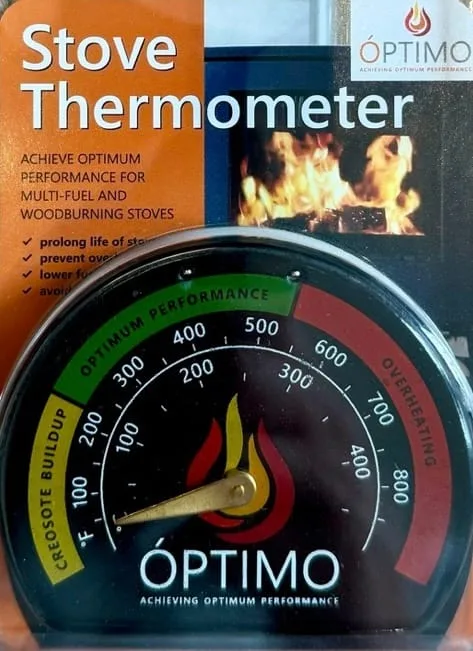
Overfiring
Protect paint, baffles, and internal parts
Running too hot can damage paint, baffles, seals, and liners. Use the appliance within its normal operating range and let the flue warm progressively before loading a large fire.
Seasonal checklist
Inspect what affects safety, draw, and clean burning.
The original maintenance guide is clear on the technical intent: keep airflow clean, burn dry wood, protect seals, sweep the chimney, and watch corrosion or overfiring.
- Check.
- Ash is below the air inlets and not blocking the grate or combustion path.
- Check.
- Wood is dry, seasoned, and stored with enough airflow.
- Check.
- Door and glass rope seals are still tight and correctly seated.
- Check.
- The glass is cleaned with suitable fireplace-safe cleaner.
- Check.
- The chimney, liner, cowl, and visible flue sections are checked before heavy winter use.
- Check.
- Paint, corrosion, baffles, and signs of overfiring are reviewed before the season starts.
Maintenance starts with how the fireplace is used.
A well-built fireplace still needs dry fuel, controlled airflow, and a clean chimney path. These habits reduce soot, dirty glass, and unnecessary wear.
Keep combustion clean
Ash and fuel
Remove excess ash before it blocks airflow, but keep the appliance instructions in mind because some fireplaces burn better with a shallow ash bed.
Wet wood is one of the biggest causes of dirty glass, soot, and creosote. Dry fuel keeps the fire hotter and the chimney cleaner.
Do not use the fireplace as a general waste burner. Unsuitable materials can damage the appliance and create unsafe deposits.
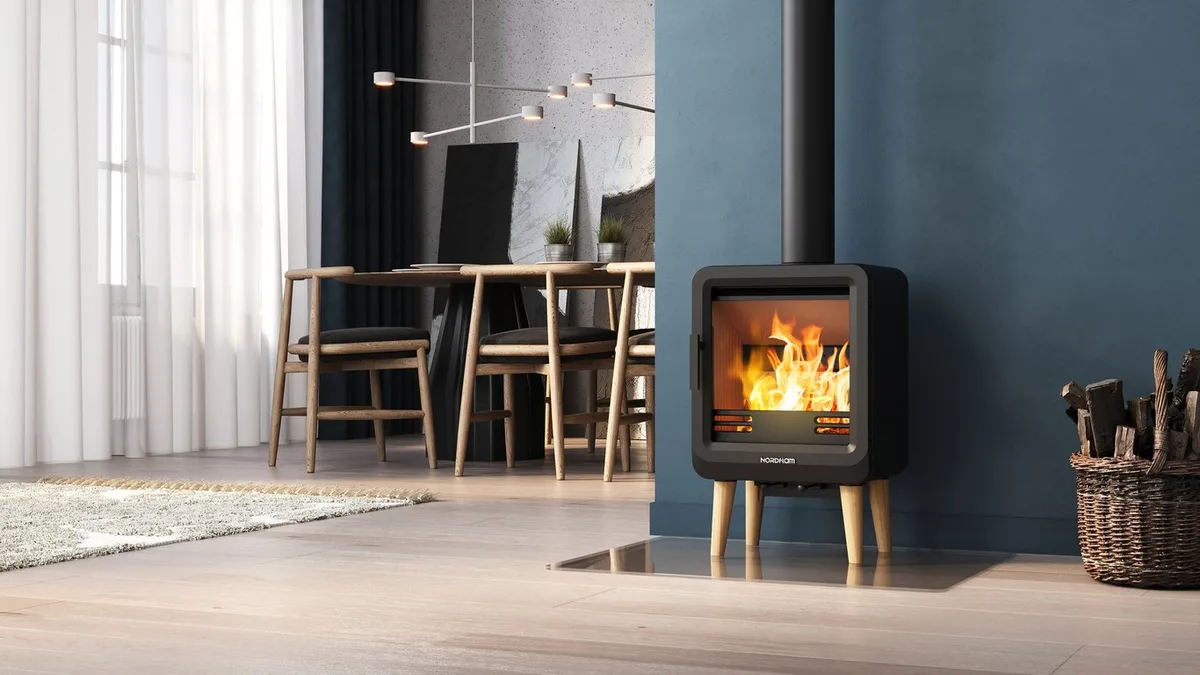
Check the parts that control airflow
Seals and glass
Door and glass rope seals help control the burn. Worn or loose seals can let too much air into the appliance and make the fire harder to regulate.
Clean glass with suitable fireplace glass cleaner and avoid aggressive scraping that can damage the surface or seals.
If the door does not close properly or the burn feels unusually fast, inspect the seals before assuming the fireplace is faulty.
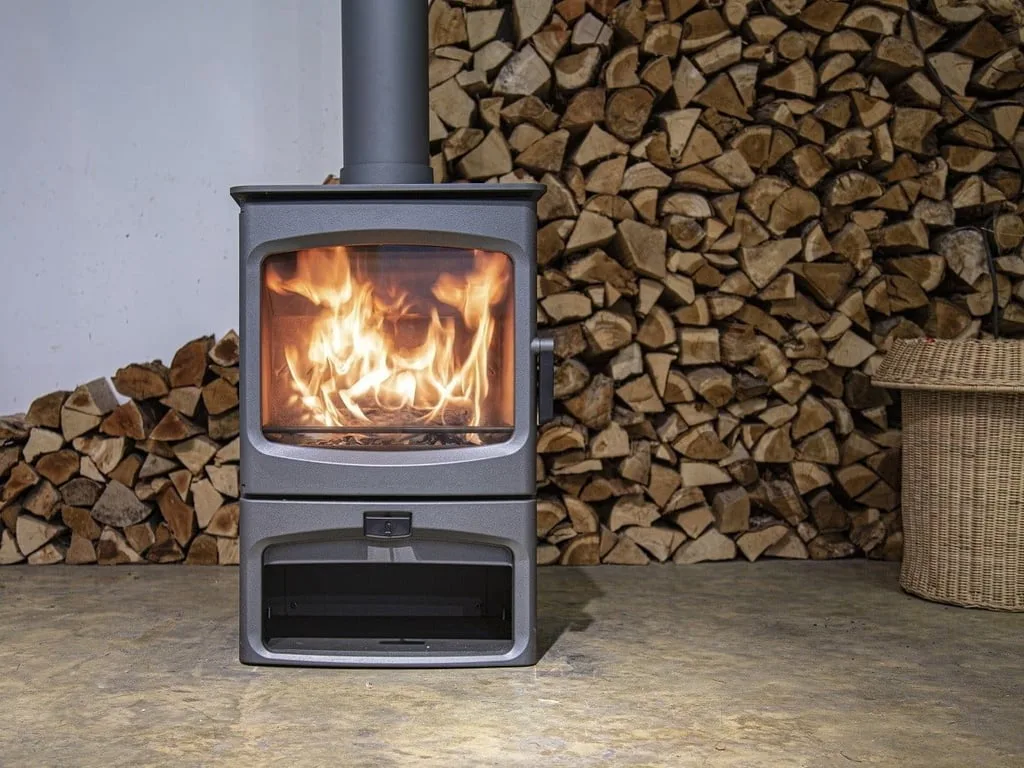
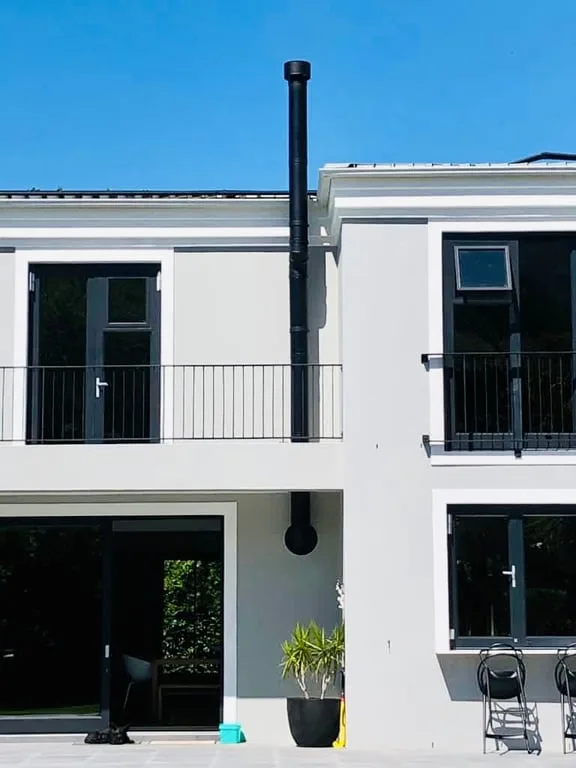
Inspect the full flue route
Chimney sweeping
The chimney should be swept and inspected regularly, especially before winter. Soot, creosote, bird nests, corrosion, and damaged liners can affect safety and draw.
If the fireplace is difficult to light or smoke enters the room, the chimney route should be checked before heavy use continues.
Coastal conditions can accelerate corrosion, so flue and cowl condition should be part of the maintenance routine.
- Before winter
- Check the system before the heavy burning season starts.
- After poor fuel
- Wet wood can quickly increase soot and deposits.
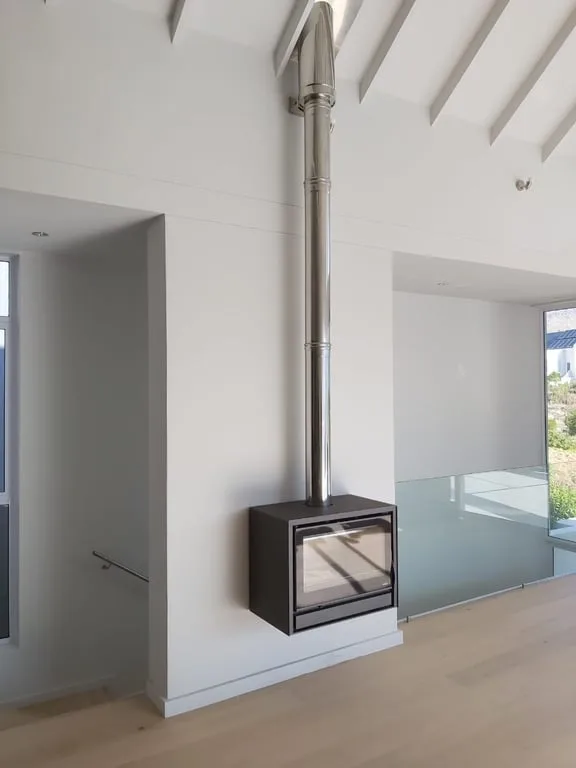
Protect the appliance body
Paint and overfiring
High-temperature paint can fade or oxidise over time. As bare metal is exposed to oxygen, the steel will start to oxidise, especially near coastal air or if the fireplace has been overfired.
Overfiring can damage internal parts, paint, baffles, and seals. Run the fireplace within the manufacturer’s guidance rather than chasing maximum flame all the time. Keep in mind that internal liners, baffles, grates, pans, and glass are not covered by the manufacturer’s warranty. Servicing these items will increase their lifespan.
If repainting is needed, use the correct high-temperature product and prepare the surface properly.
First light after a long break
If a fireplace has been unused for a long period, warm the flue gently at first to help establish draft before loading a large fire.
Maintenance questions
These answers preserve the source guide's practical warnings while leaving room for final service-interval confirmation.
- How often should a fireplace be serviced?
- The source guide says maintenance should be carried out yearly, especially before winter. The exact interval should still be confirmed against the appliance instructions, fuel quality, and how heavily the fireplace is used.
- Why does wet wood make maintenance worse?
- Wet wood burns cooler and dirtier. It increases smoke, soot, dirty glass, and creosote deposits in the chimney, so drying and storing wood properly is part of maintenance.
- What do worn rope seals do?
- Door and glass rope seals help control combustion air. If they leak, the fireplace can burn too fast, become harder to regulate, and put more stress on parts.
- When should the chimney be checked?
- Check it before the heavy burning season, after a period of poor fuel use, or whenever lighting is difficult and smoke enters the room.