Gas Braais
A compact guide to choosing a gas braai that fits the way you cook, entertain, and maintain your outdoor area.
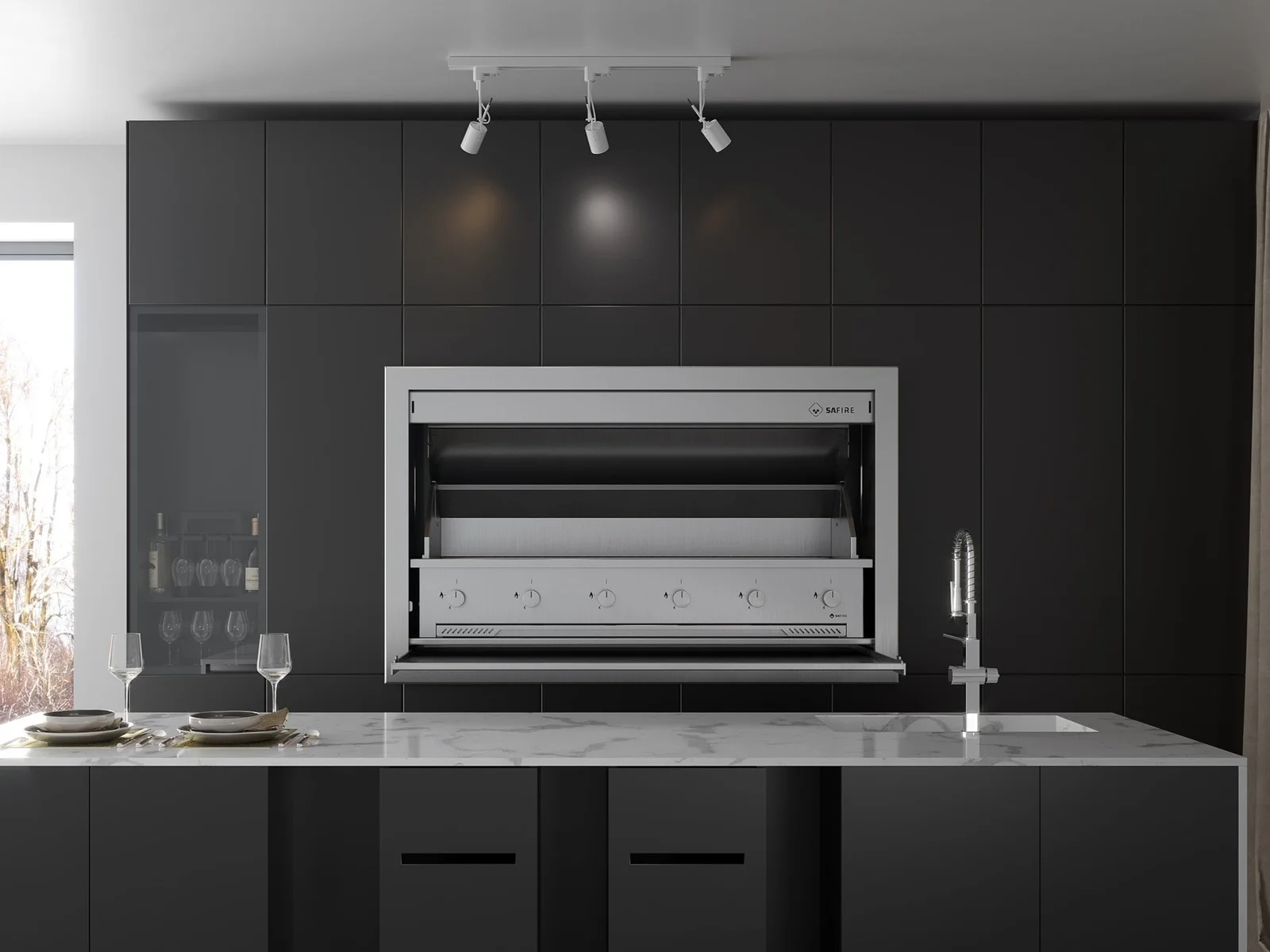
Start with the way you cook
A gas braai is chosen around convenience first: fast heat, controlled burners, and a format that works with the entertainment area. Once the cooking style is clear, installation fit and cleaning access are much easier to compare.
- Cooking style
- Match burners and hood use to regular meals.
- Braai format
- Compare built-in, drop-in, and countertop.
- Install detail
- Check gas supply, material, and cleaning access.
Start with cooking style.
Convenience only works when the braai fits the way you cook.
Gas braais are about convenience and control. The best choice depends on what you cook most often and how many people you normally feed.
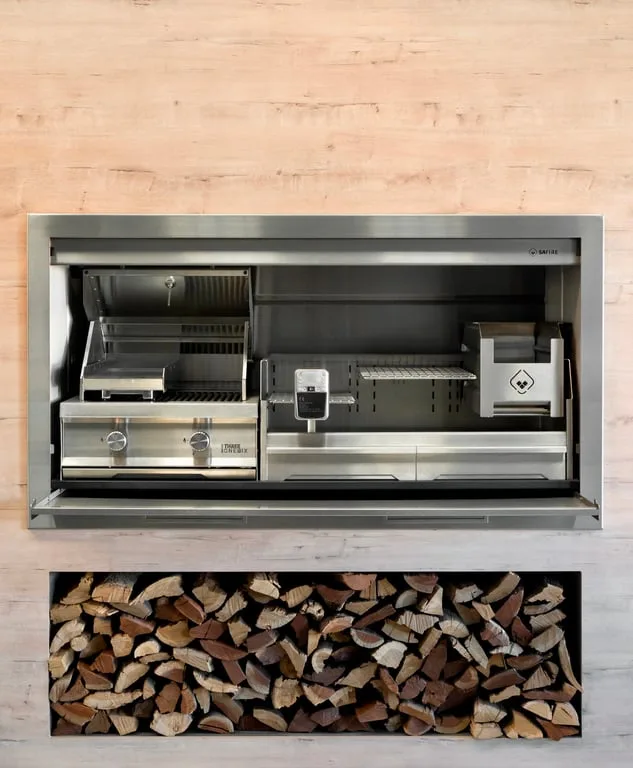
Cooking style
Start with what you cook most often
Steak, chicken, vegetables, roasts, and lid-down cooking all ask different things from burners, grids, hood options, heat control, and how easily the braai cleans afterwards.
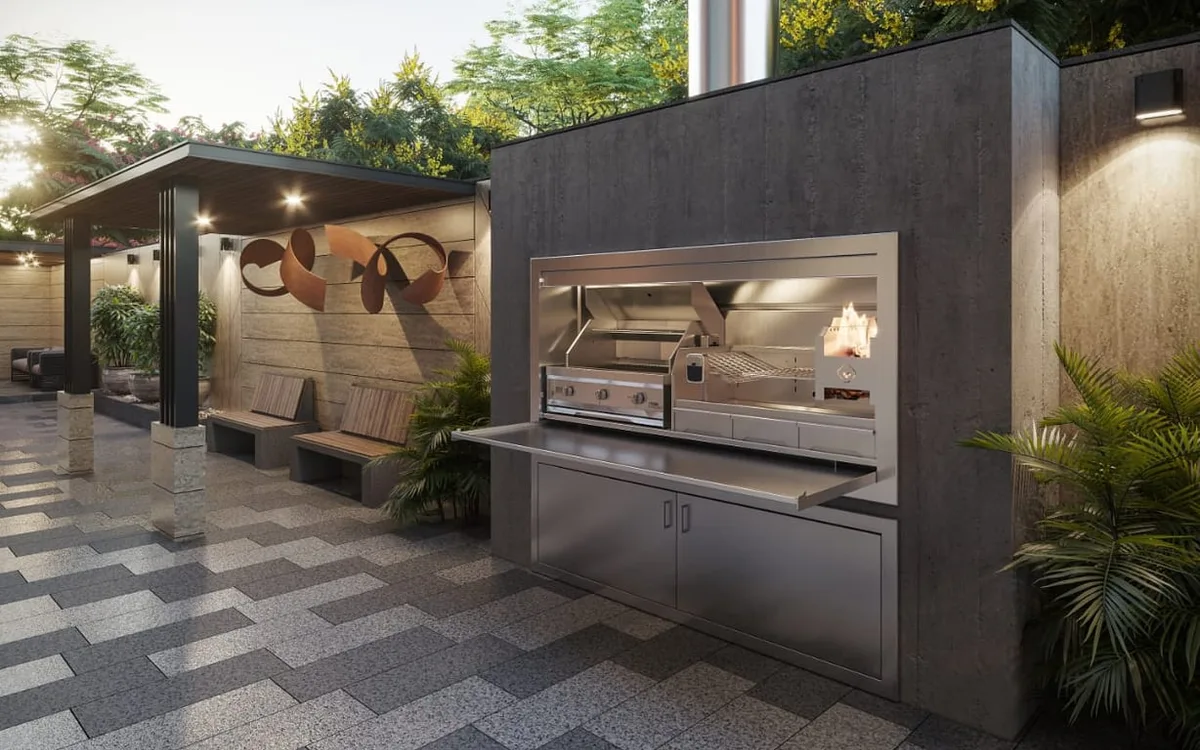
Group size
Size for normal use, not only big days
More burners help when entertaining, but the braai should still be easy to heat, clean, and control for regular meals.
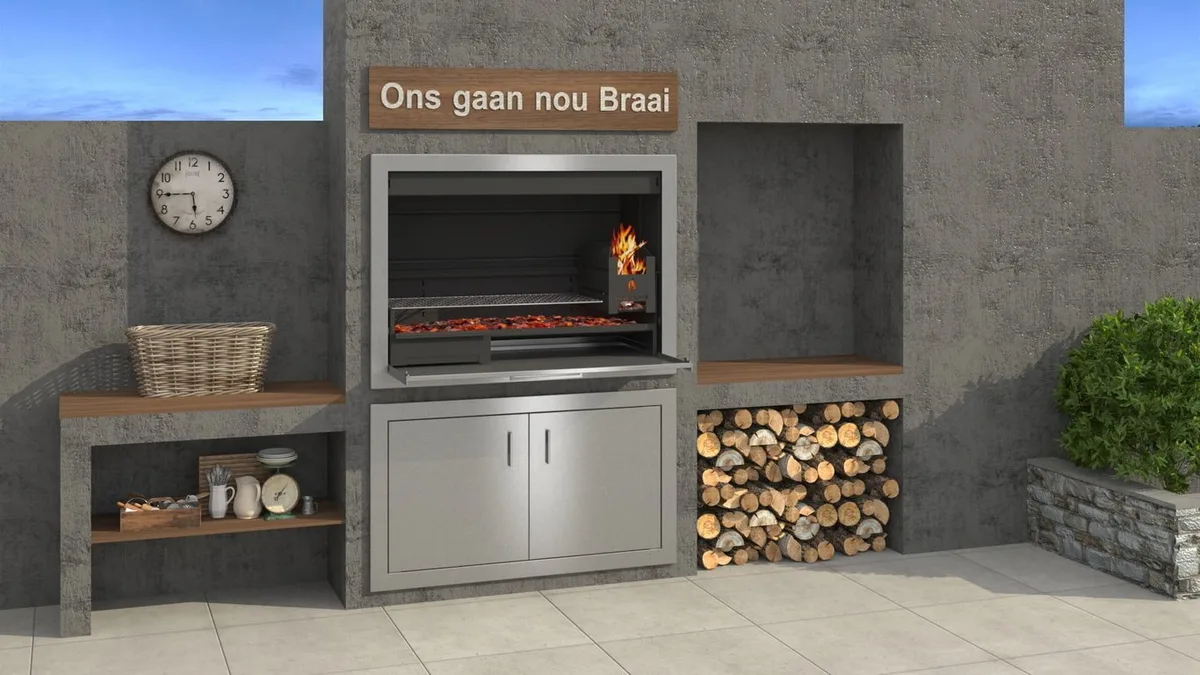
Format
Built-in, drop-in, countertop, or freestanding
The installation opening, ventilation, counter depth, and surrounding finish decide which gas braai format is practical.
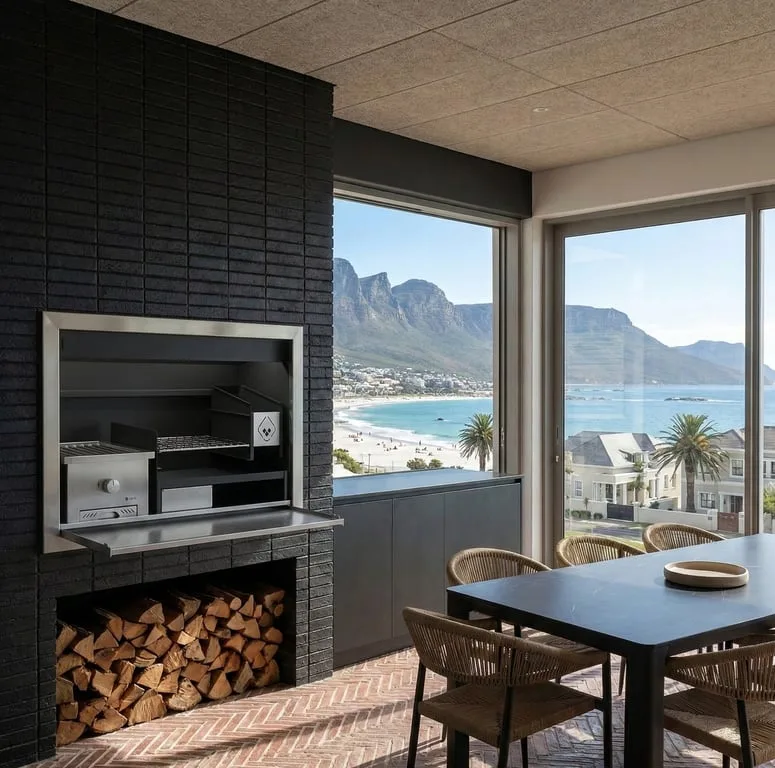
Material
Check stainless grade and serviceable parts
Outdoor and coastal installations need better corrosion resistance. Also check what the burners, grids, drip trays, fat traps, and removable parts are made from because those details do the daily work.
What to check
Three source questions, made practical.
The original guide asks what you mostly braai, how many people you cater for, and what material suits the site. Those are still the right starting points.
- Burner control.
- Look for useful heat zones rather than only a wide face. Mixed foods are easier when burners can be managed separately.
- Cooking area.
- Choose enough grill width for the number of people you usually feed, with space for timing different foods.
- Lid and hood use.
- If you want roasts, chicken, or slower cooking, choose a unit designed for lid-down or hooded cooking.
- Installation fit.
- Built-in and drop-in units need proper support, clearances, gas routing, and extraction planning.
- Cleaning rhythm.
- Drip trays, fat traps, grid design, and access matter because convenience disappears if cleaning is awkward.
- Coastal durability.
- Near the coast, material grade and finish quality are part of the buying decision, not a small afterthought.
Keep the gas braai decision practical.
Match the gas braai to the cooking style, the usual number of people, and the exposure conditions around the installation.
- Cooking style
- Think about what you mostly braai before comparing sizes. Steaks, chops, chicken, vegetables, and slow cooking all benefit from different burner layouts and lid options.
- Group size
- The number of people you cater for affects grill width, burner count, and warming space.
- Material choice
- Outdoor and coastal installations need careful material choices. Stainless steel is normally preferred where corrosion resistance matters.
- Installation fit
- Confirm the opening, support, gas route, ventilation, extraction, and access for cleaning before choosing the format.
Need a gas braai shortlist?
Start with cooking style, group size, material, and installation format. Then compare the models that fit that brief.
Gas braai questions
These are the checks that usually decide whether a gas braai will be used often or only look good in the opening.
- Should I choose the biggest gas braai that fits?
- Not automatically. A larger braai gives more cooking area, but it can use more gas, take longer to heat, and be less convenient for small regular meals. Start with your usual group size, then allow extra capacity for entertaining.
- When does a hood or cooker dome matter?
- It matters when you want more than open grilling. Chicken, roasts, thicker cuts, and slower cooking benefit from lid-down or hooded heat, but the braai must be designed for that style of use.
- Is stainless steel always worth it?
- For exposed or coastal areas, stainless steel is usually the better long-term choice. Still check the grade, finish, grids, burners, drip trays, and serviceable parts because not all stainless gas braais are equivalent.
- What should be checked before a built-in gas braai is installed?
- Confirm the opening size, support, ventilation, gas supply route, clearances, extraction, and how the drip tray or fat trap will be accessed. Those details decide whether the braai is easy to live with.